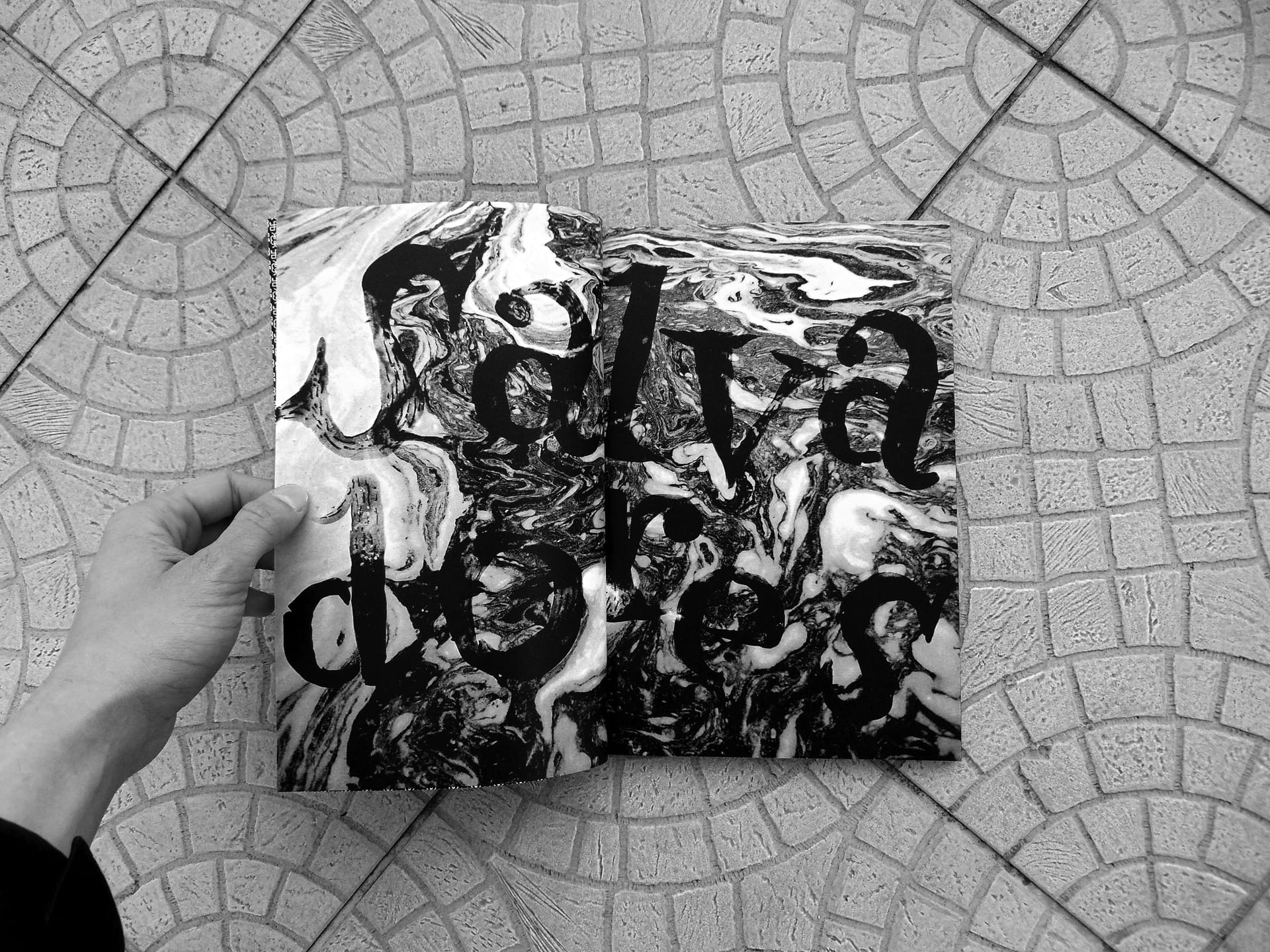
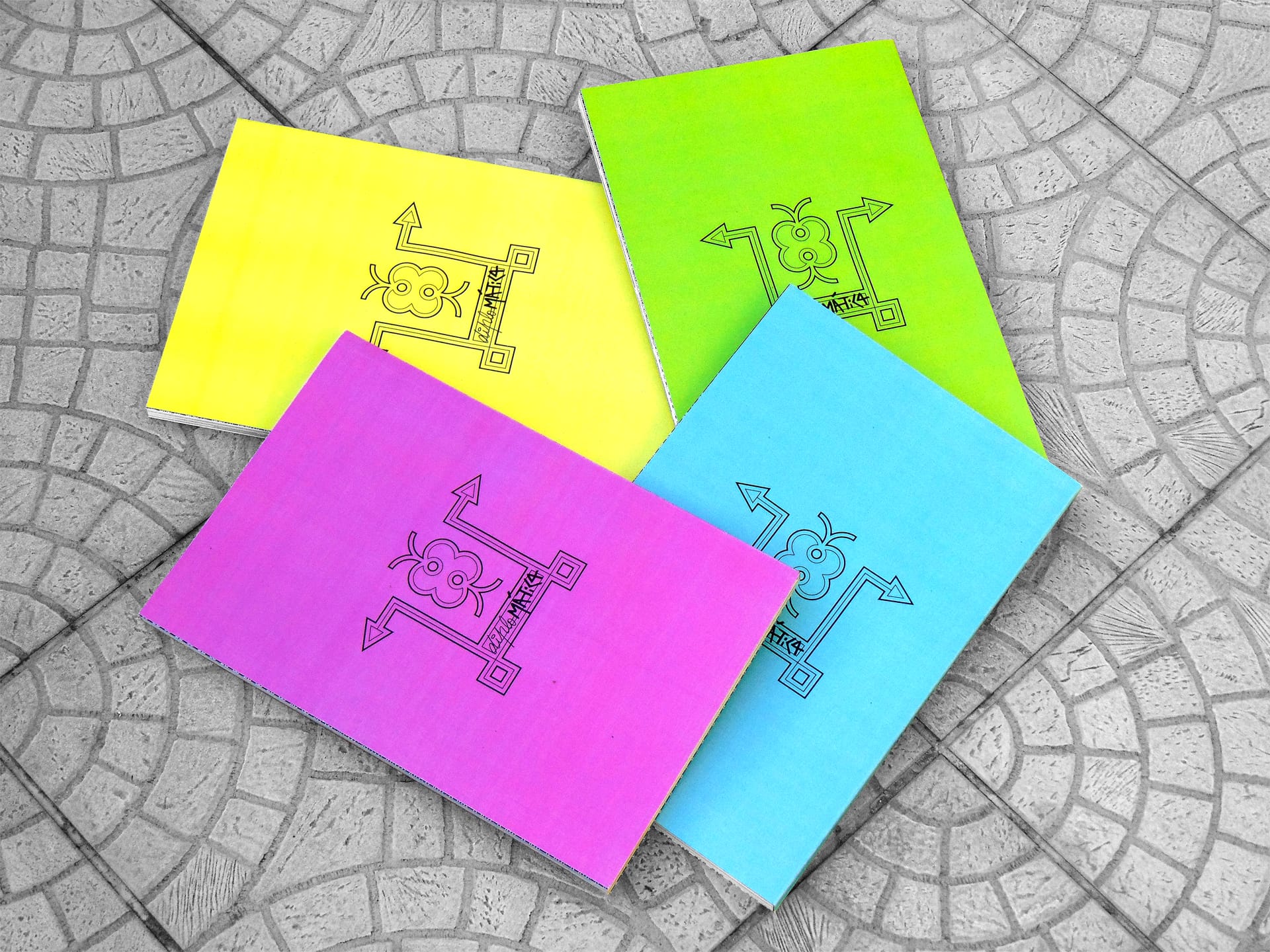
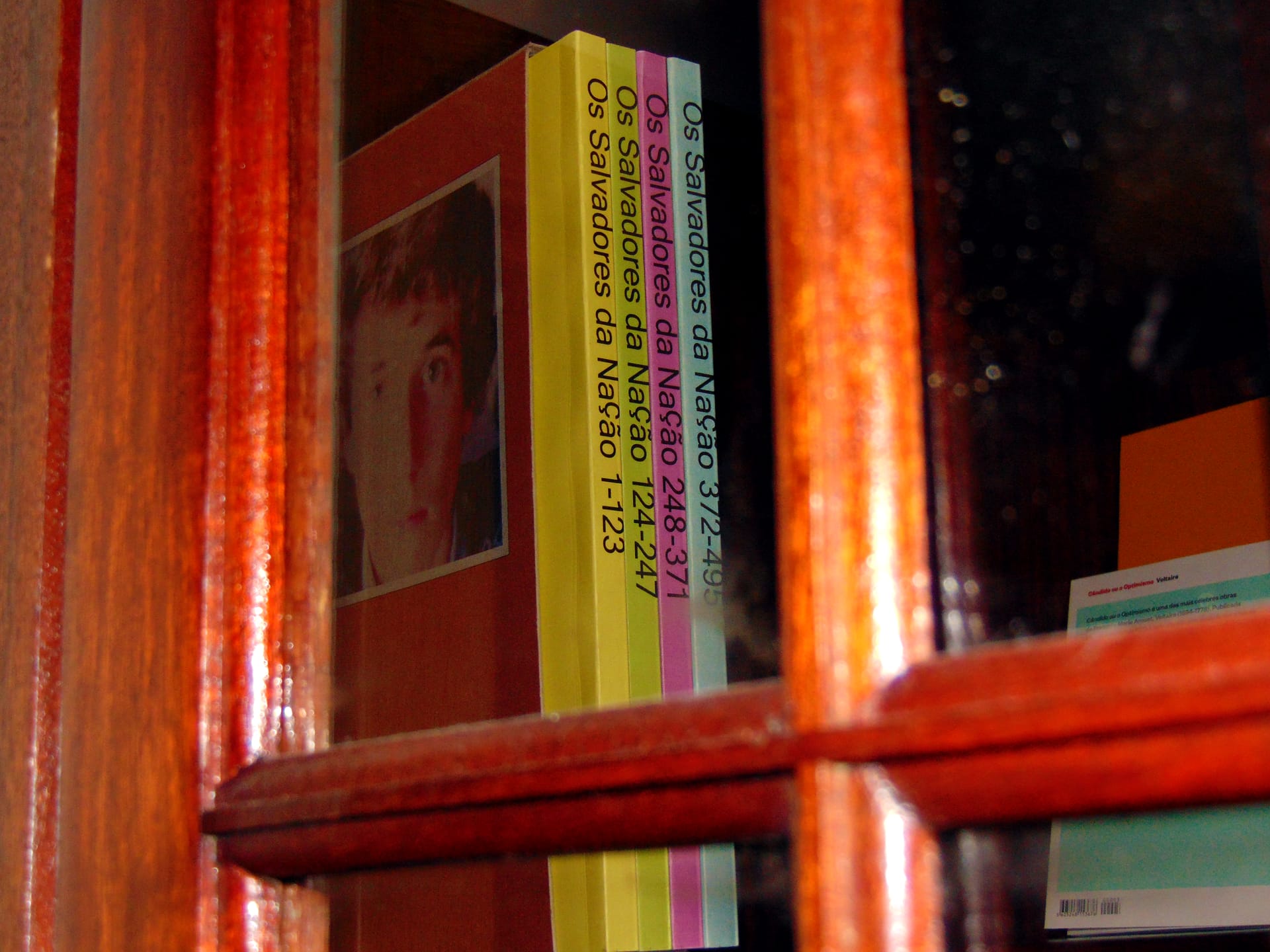
Os Salvadores
da Nação
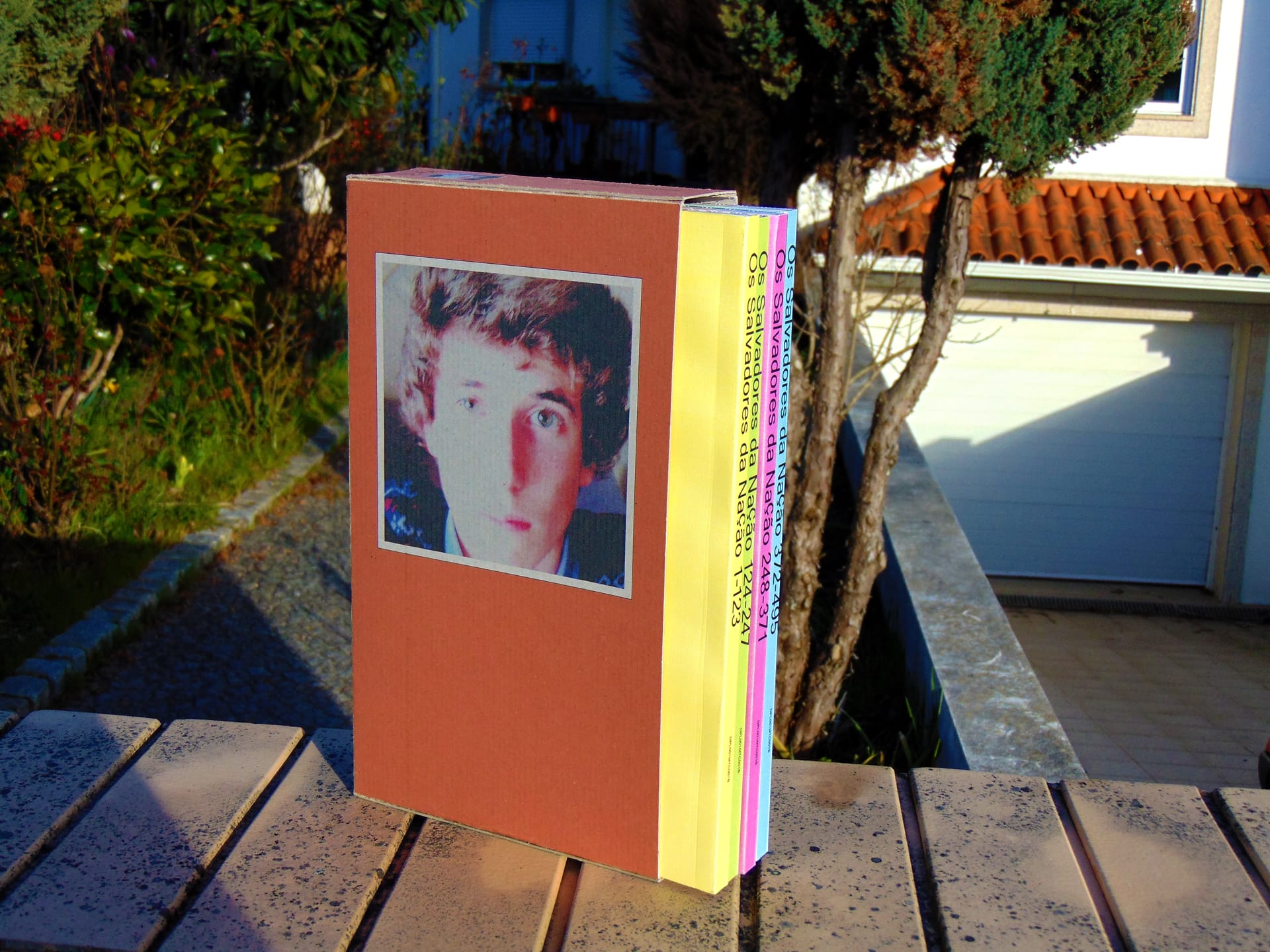
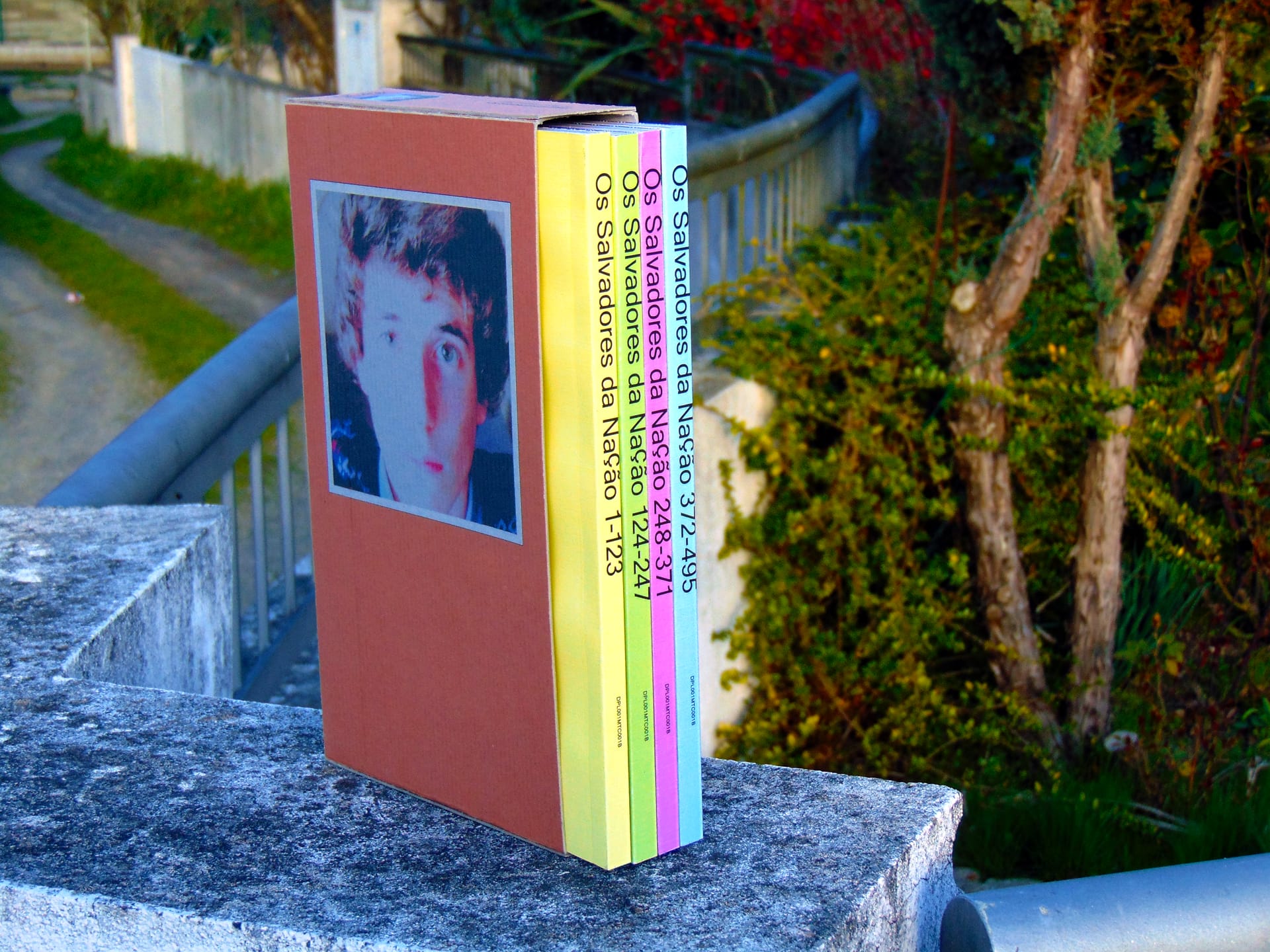
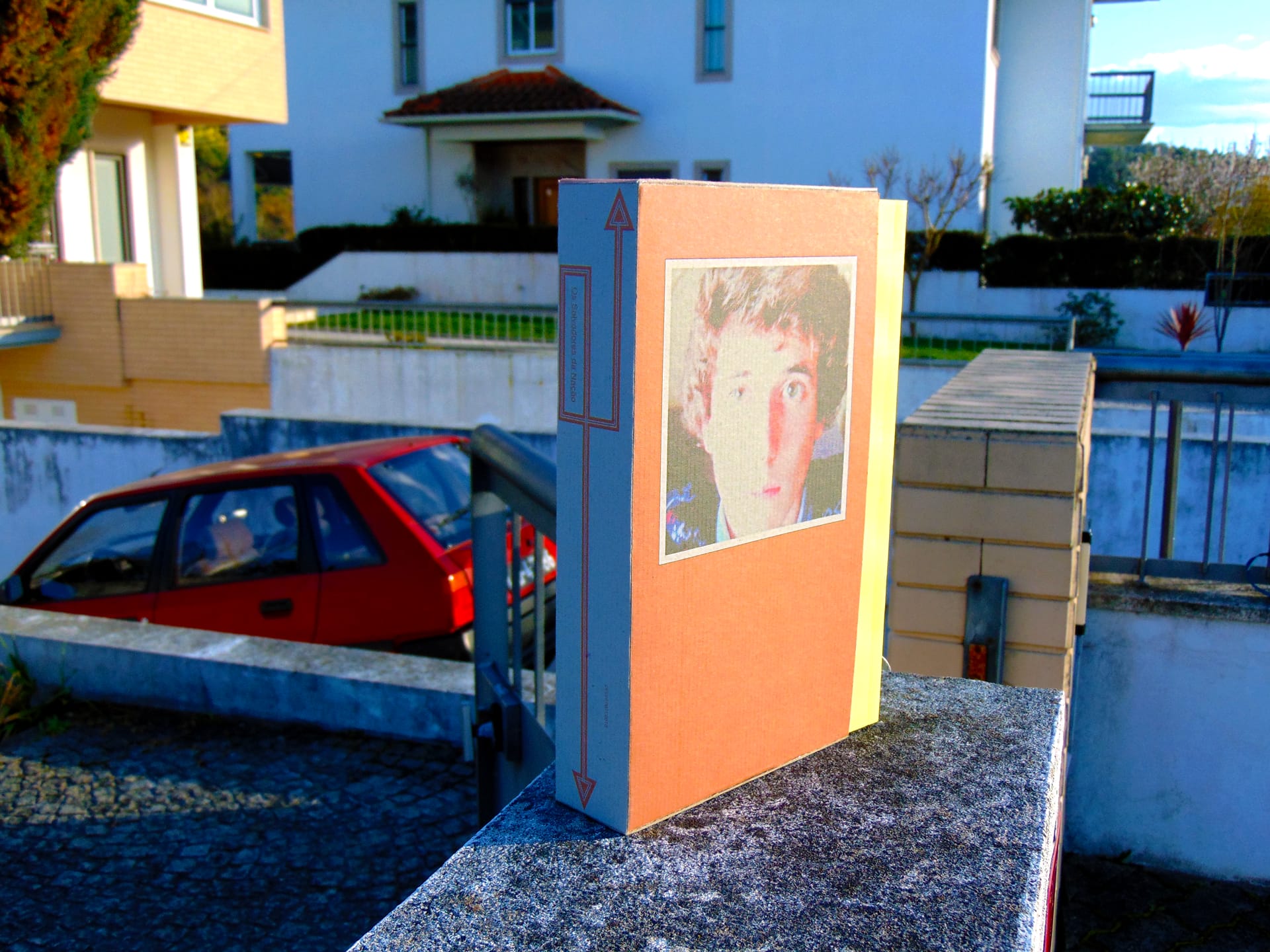
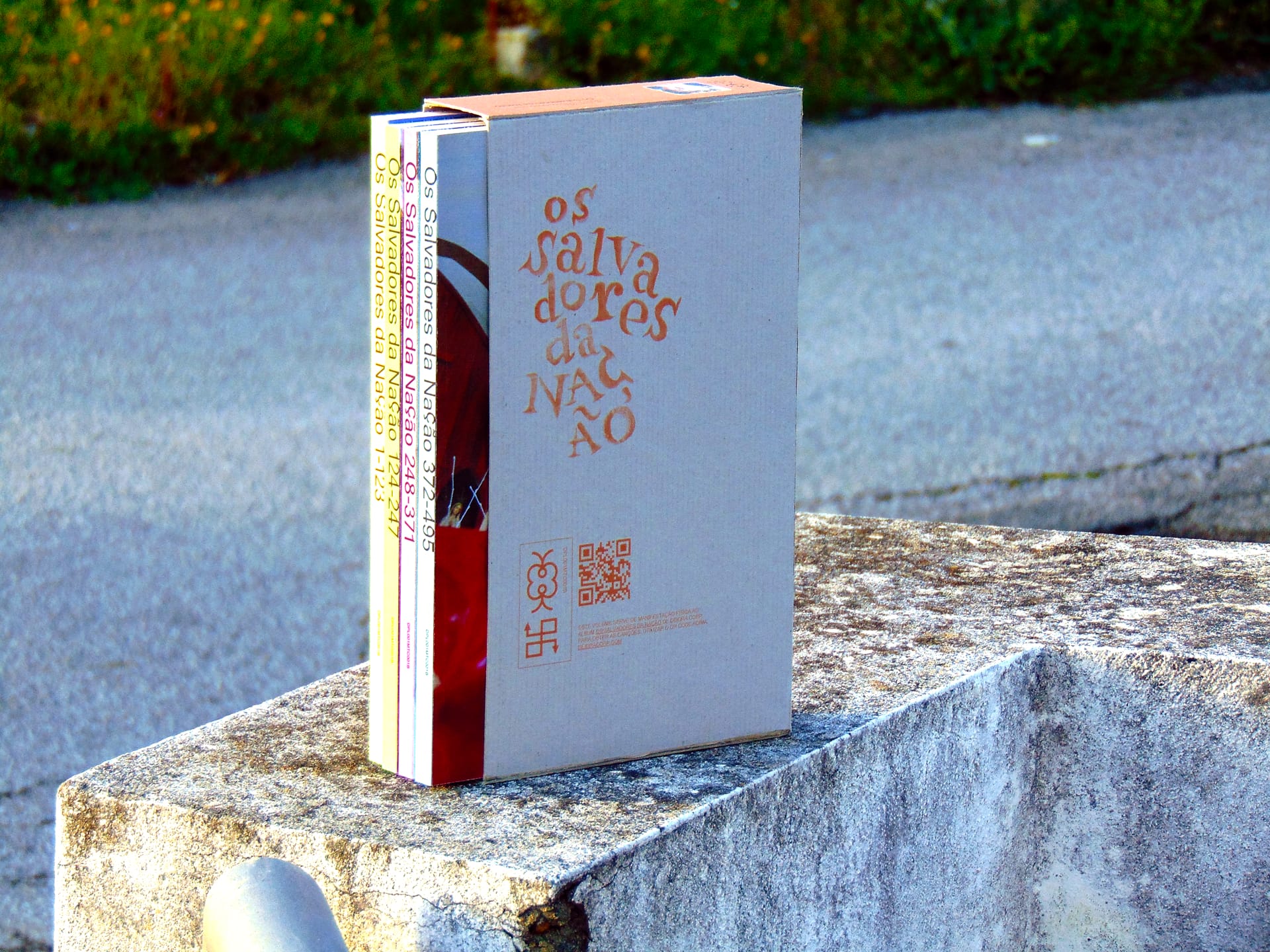
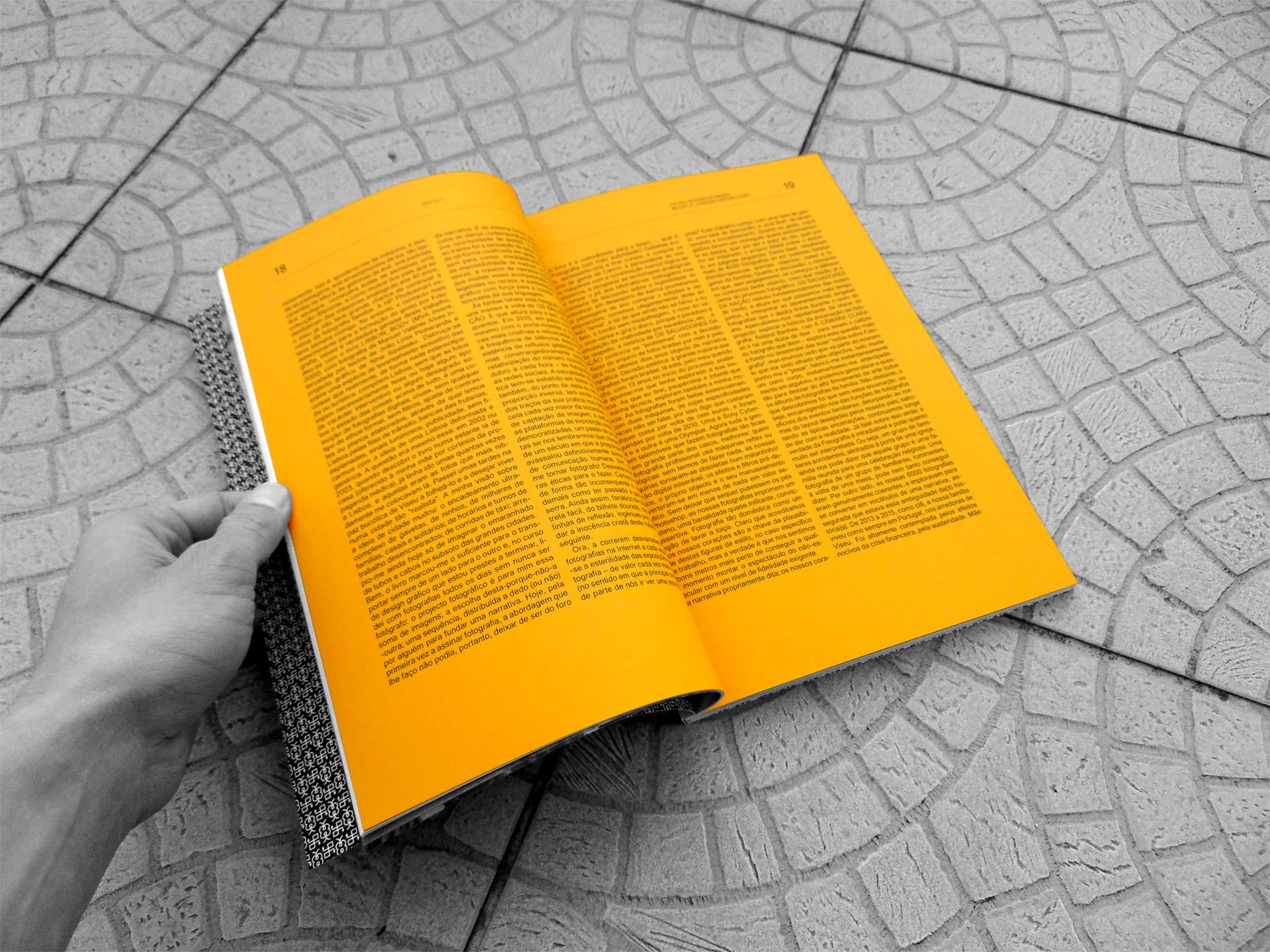
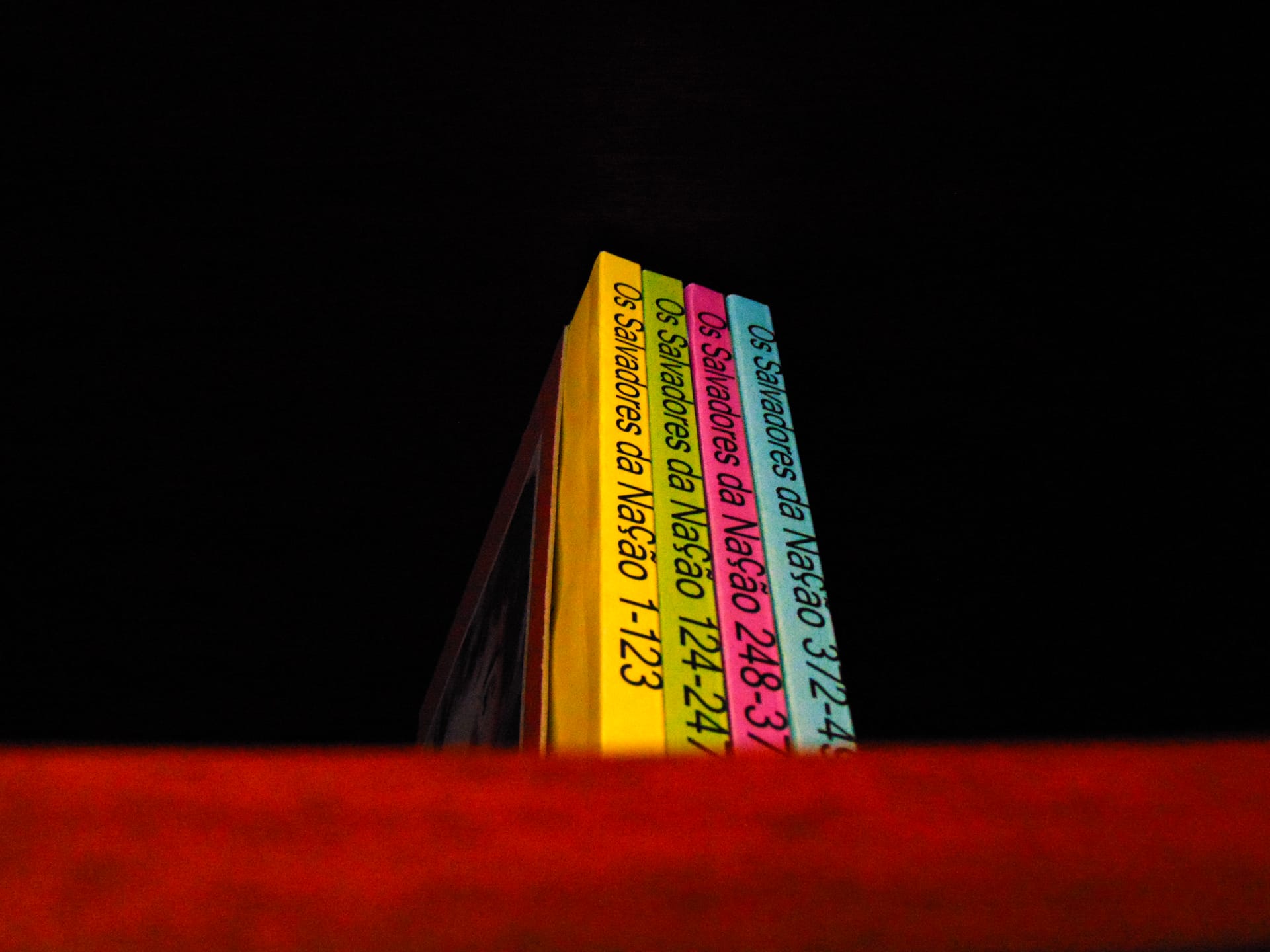
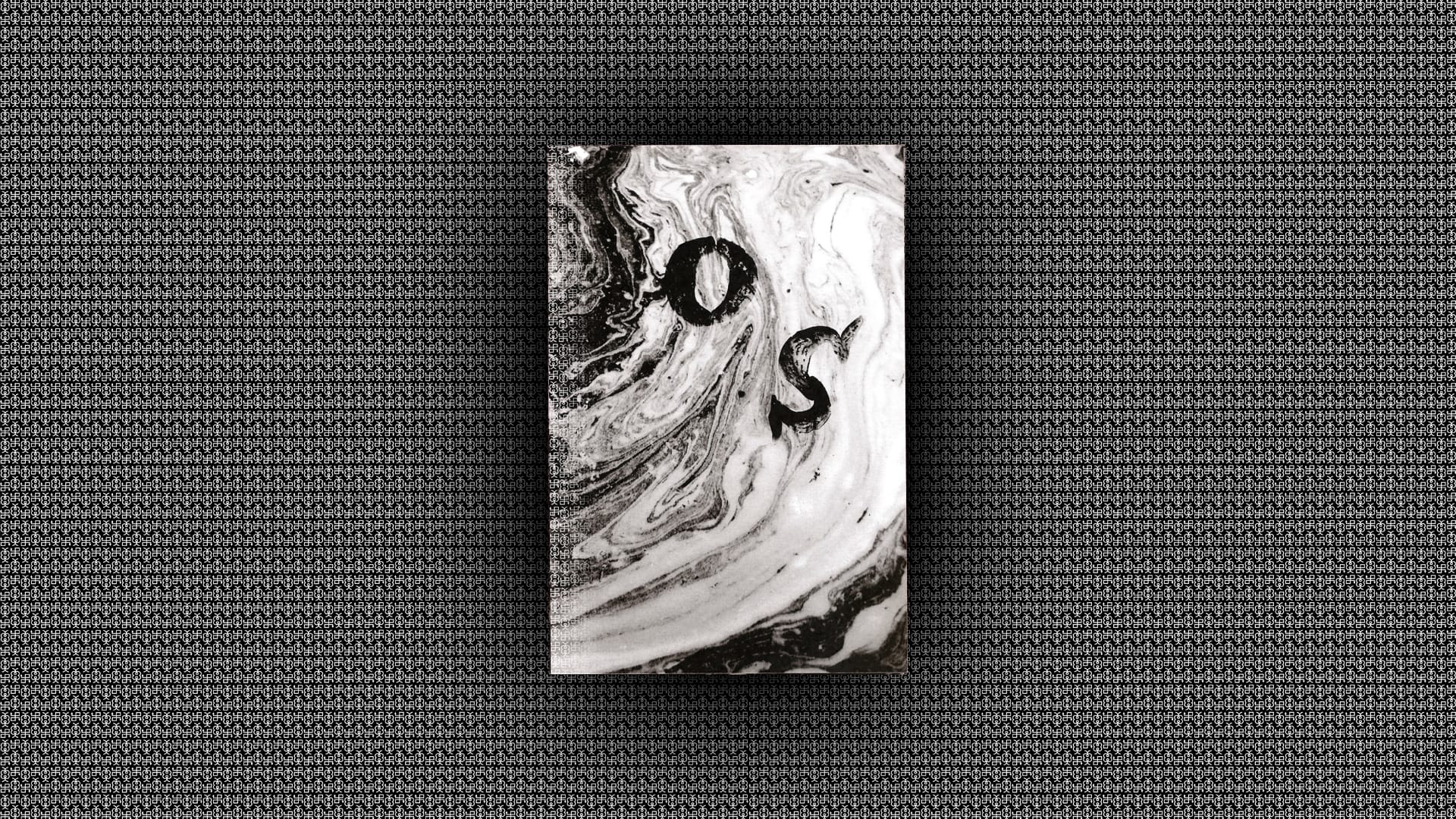
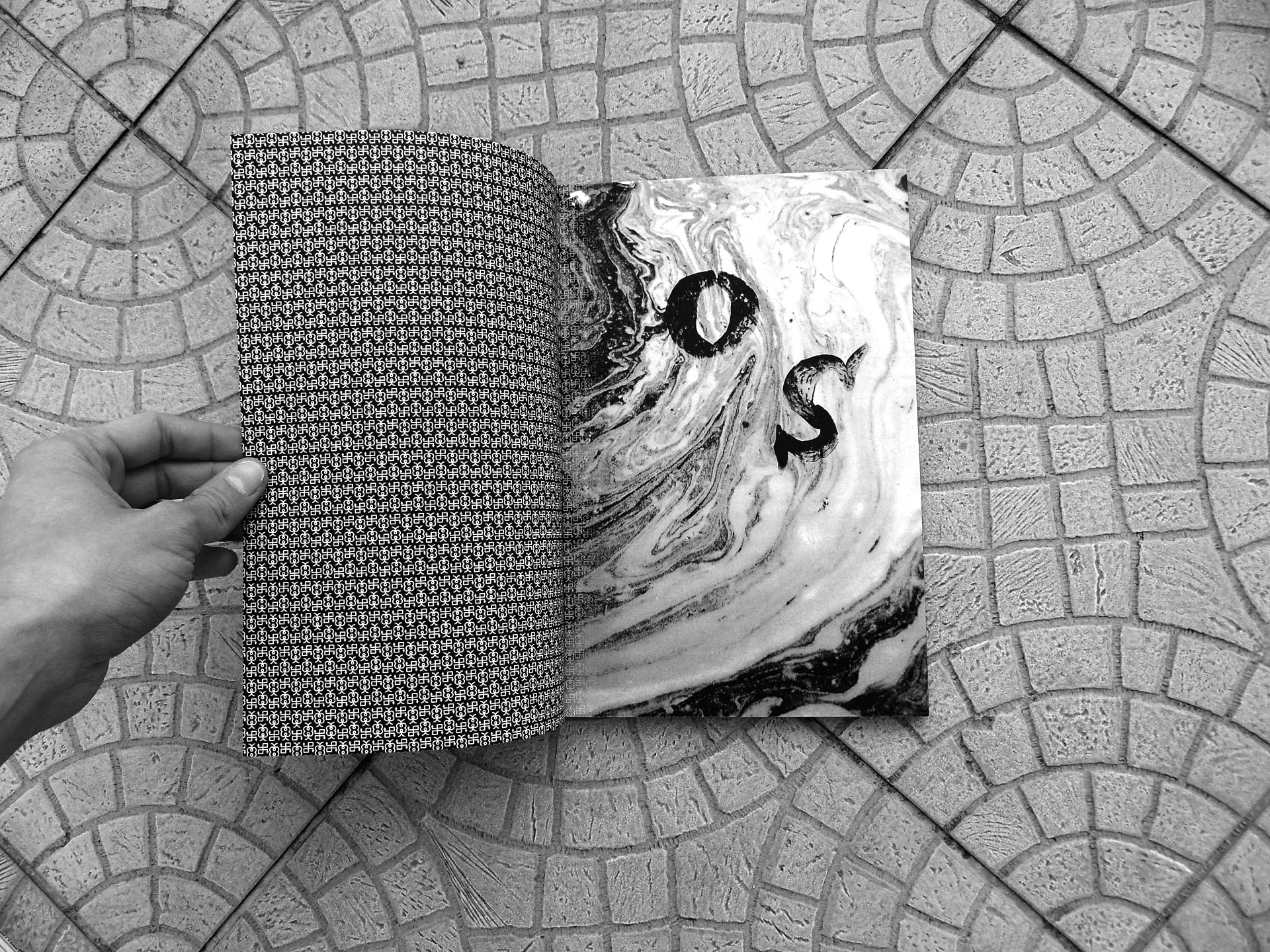
Photobook
14.4x19cm
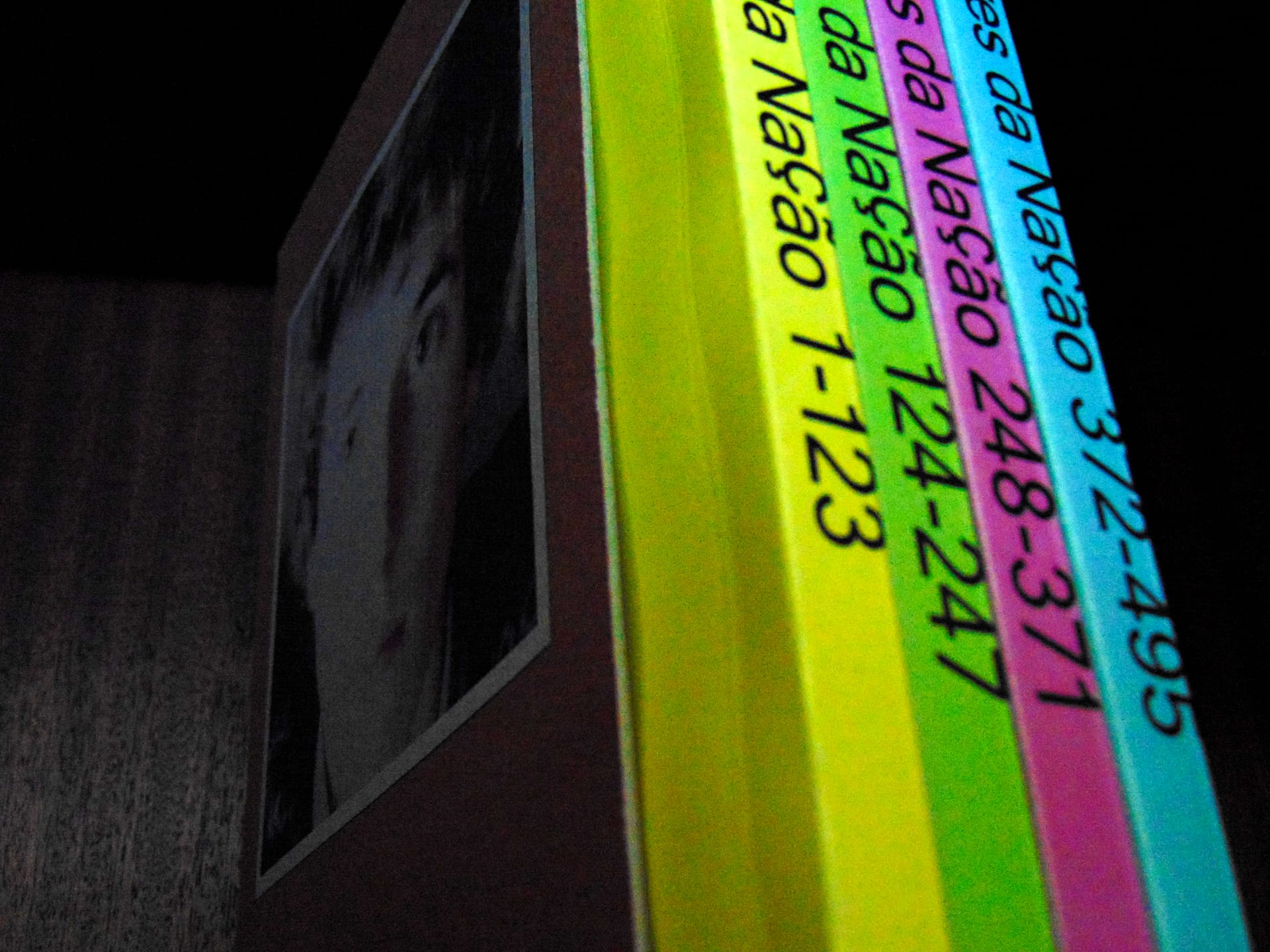
464 pages
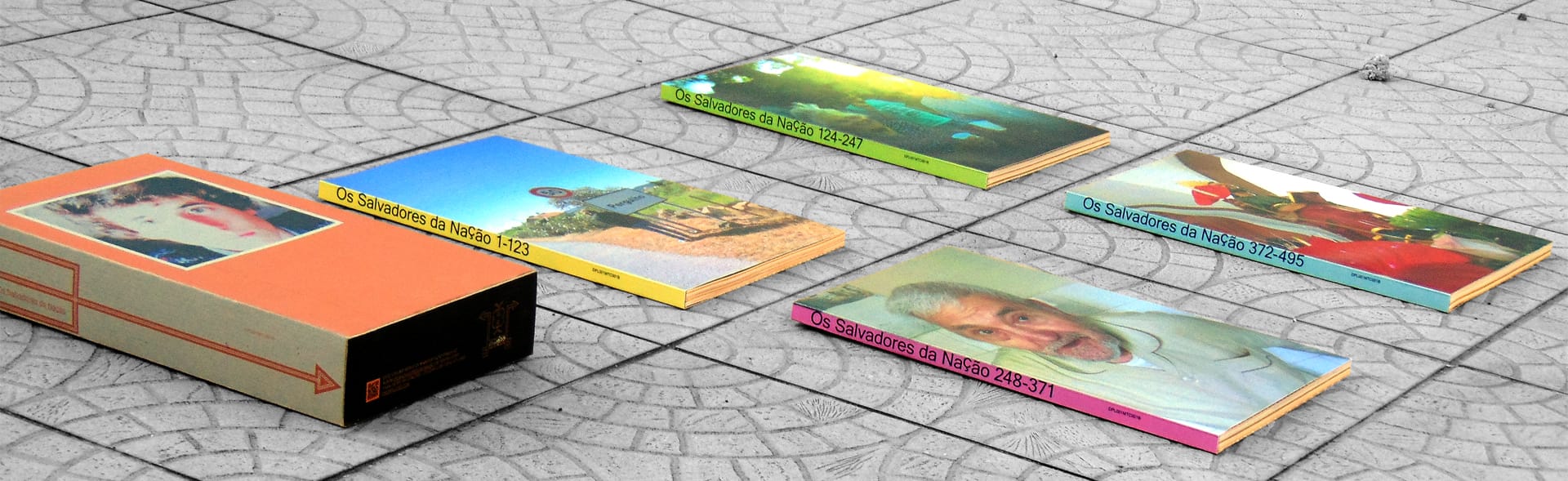
4 volumes
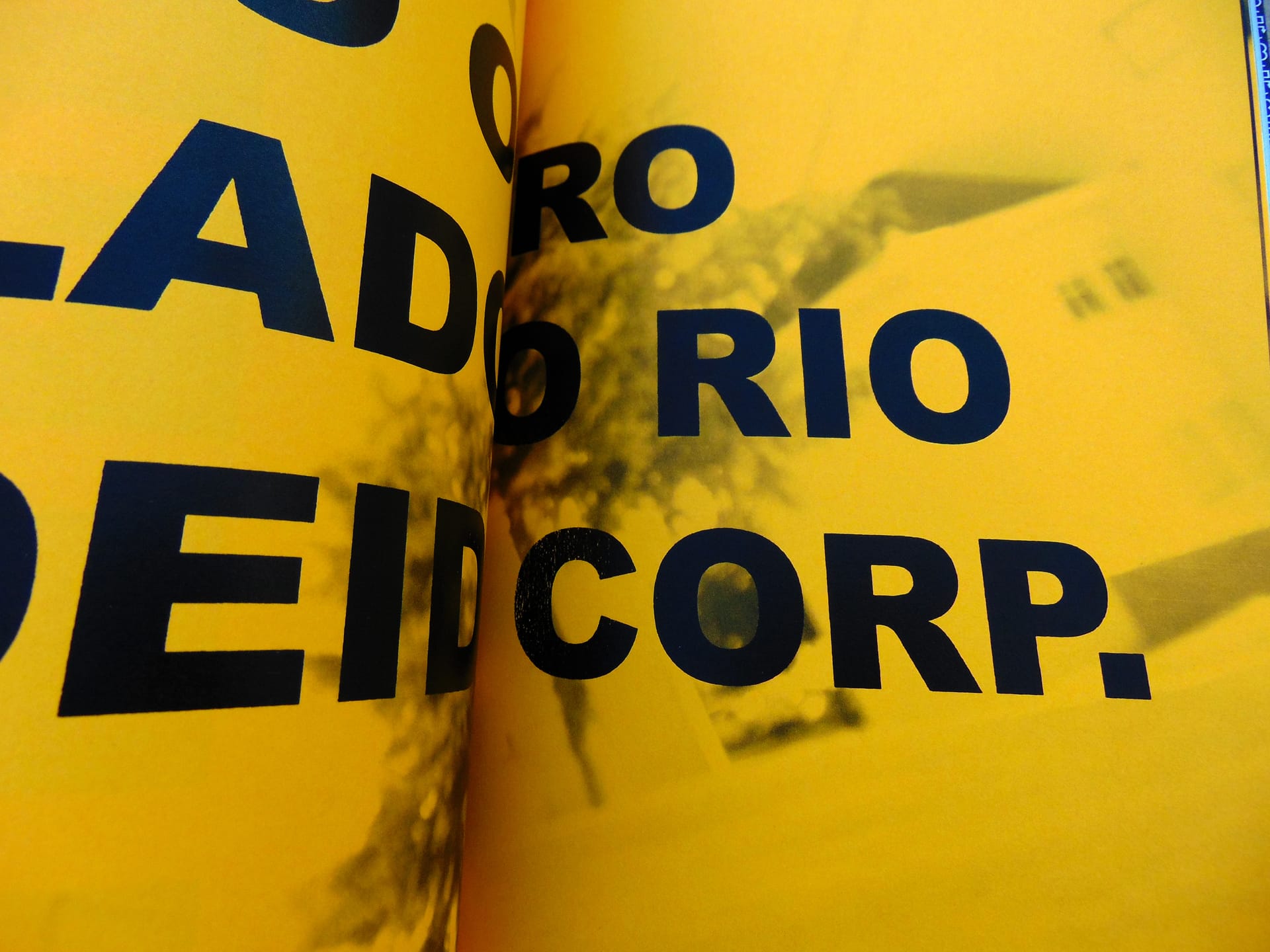
Microsoft Sans Serif
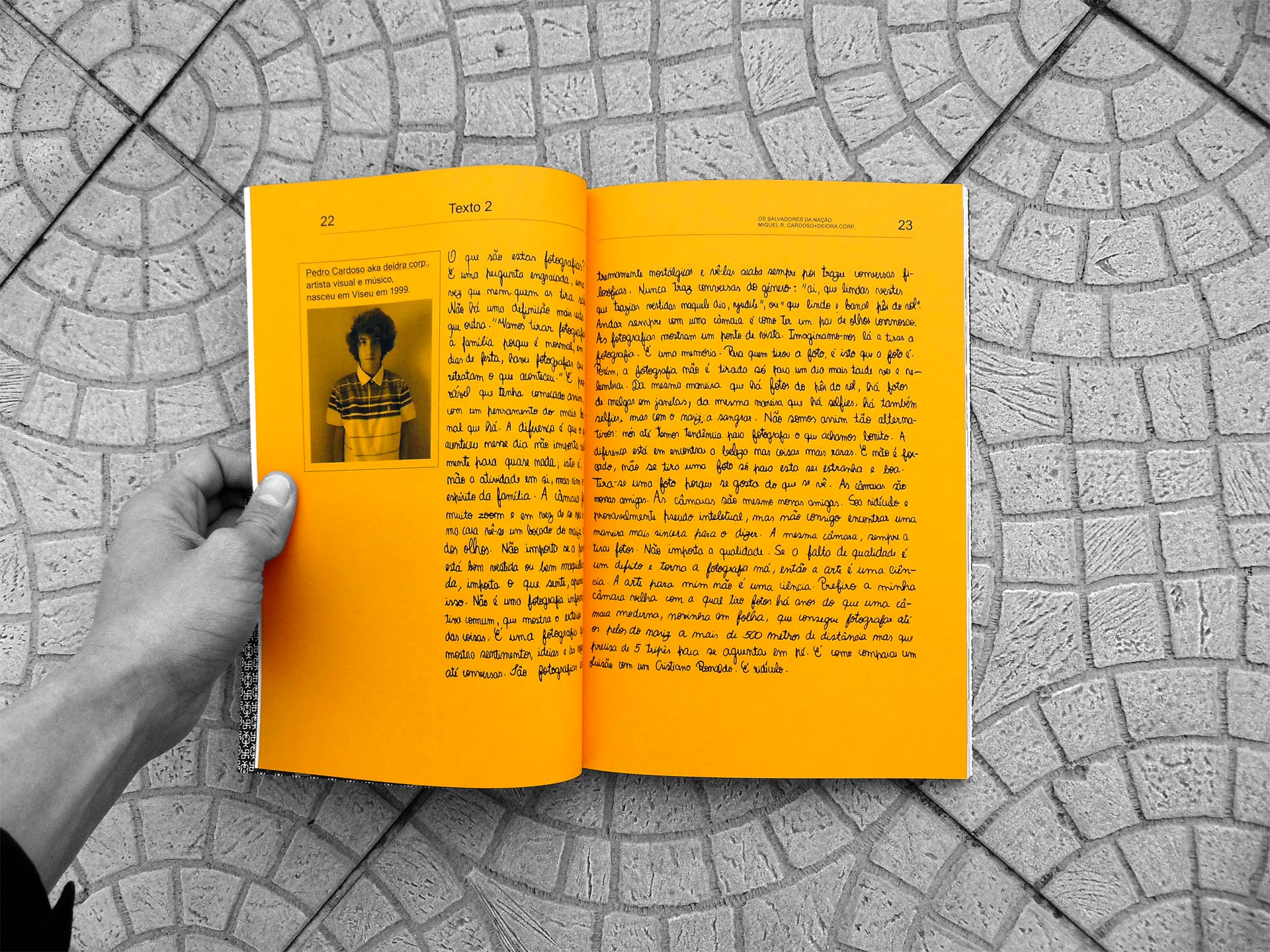
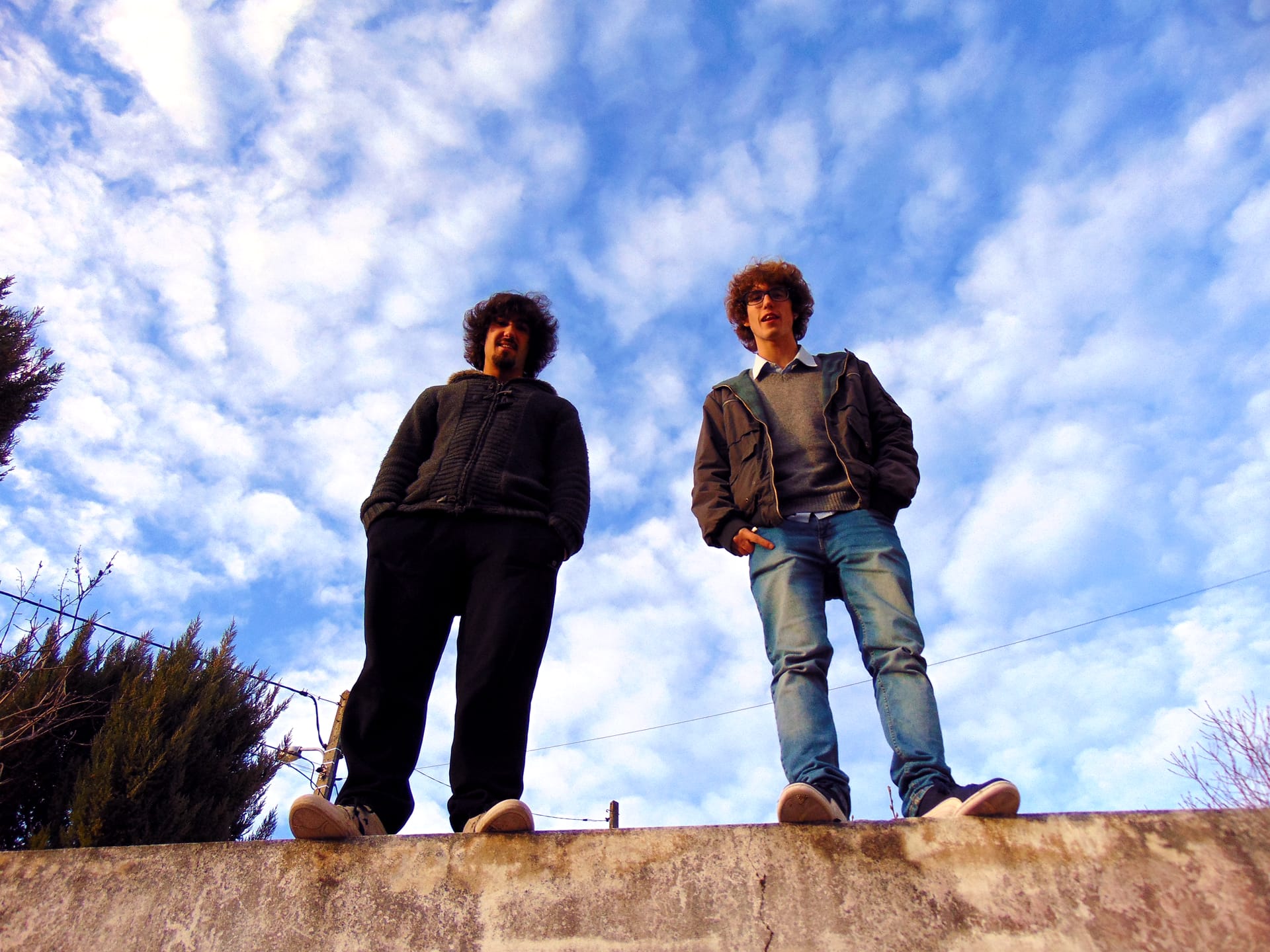
Collaborative work with Pedrokas, aka deidra corp.
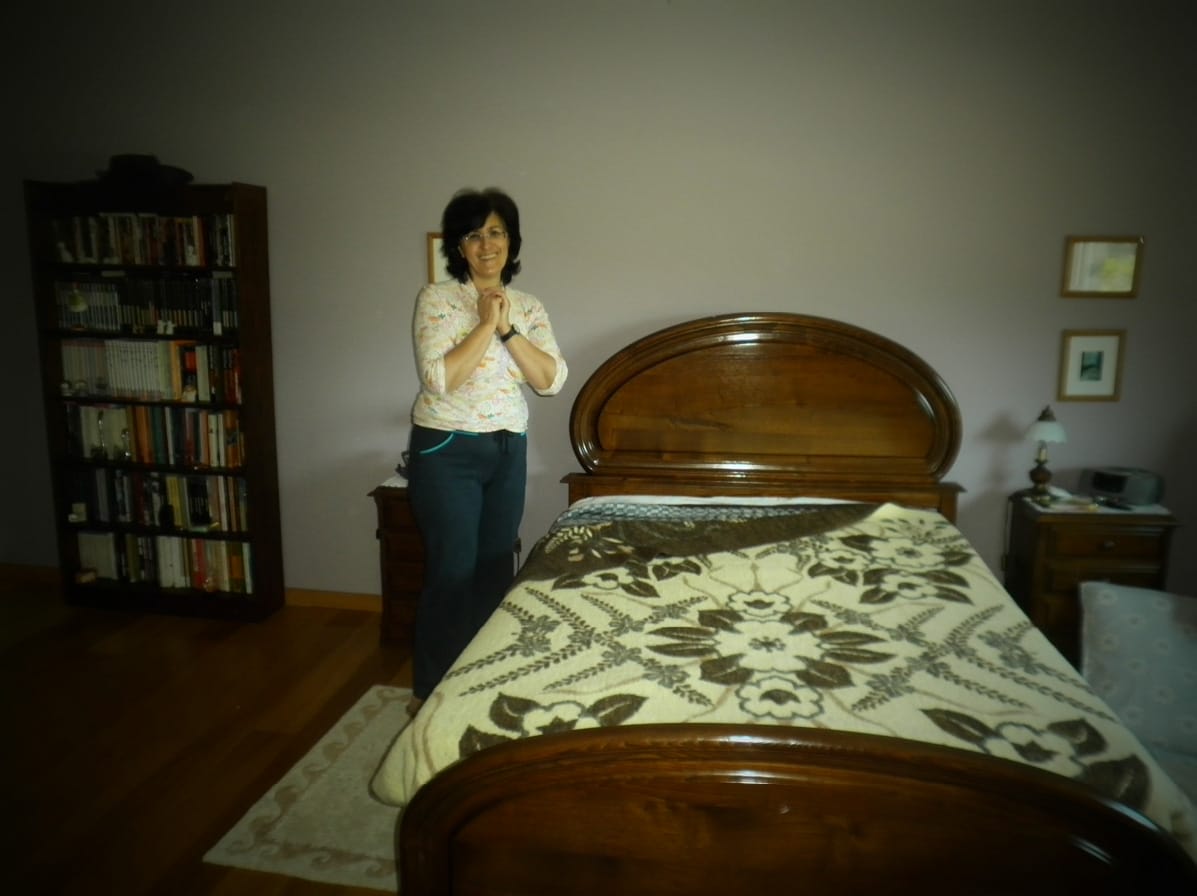
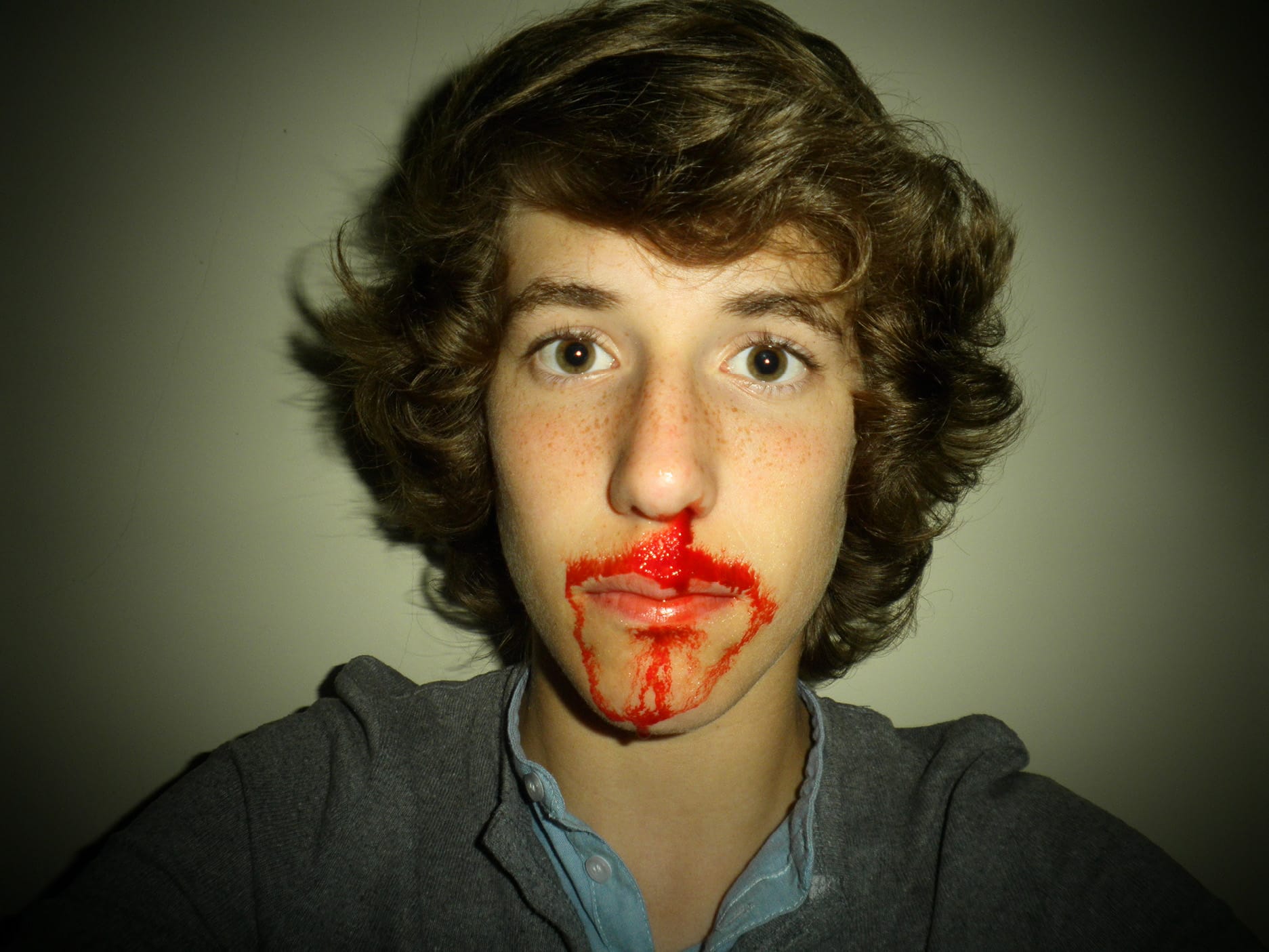
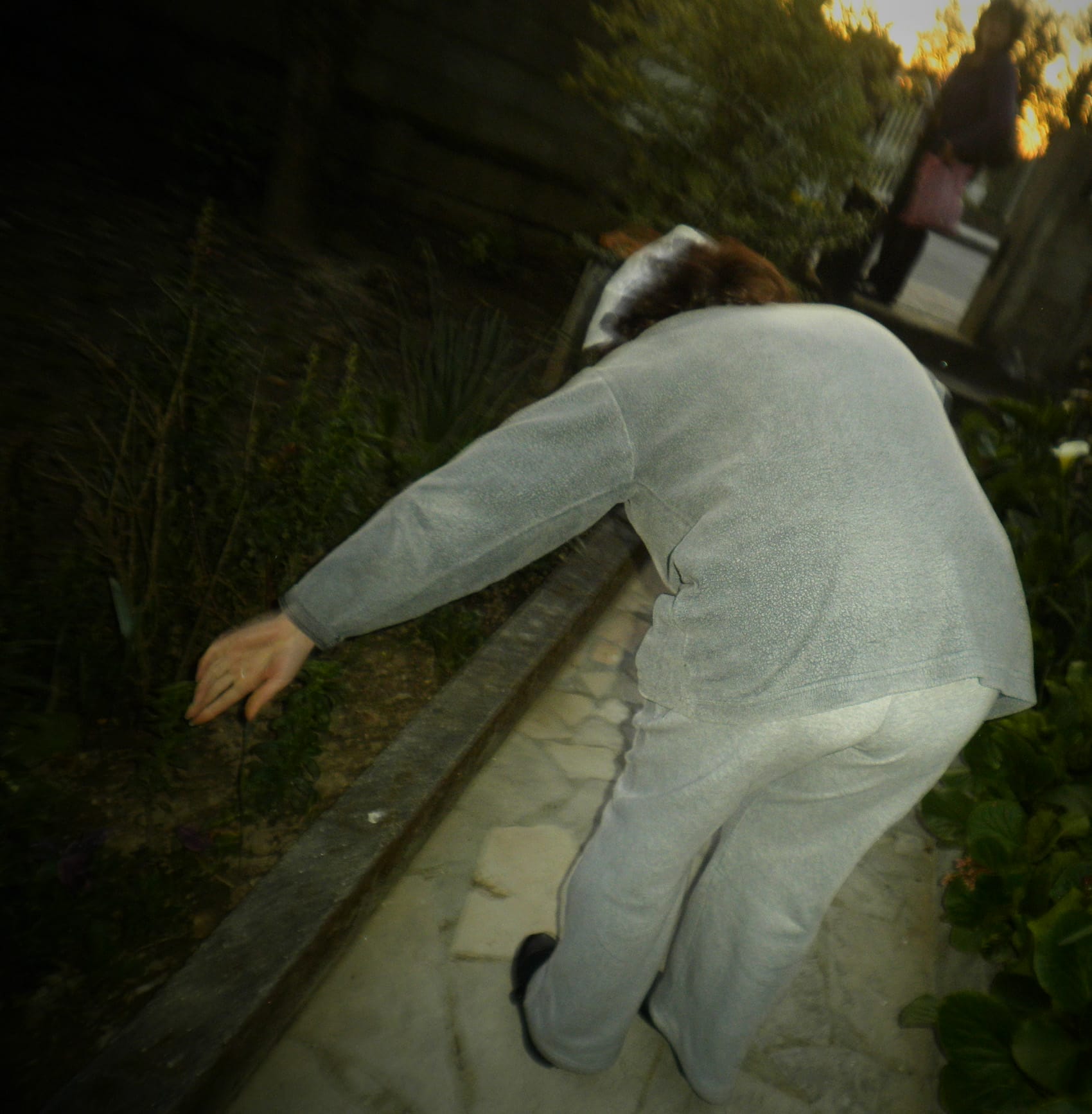
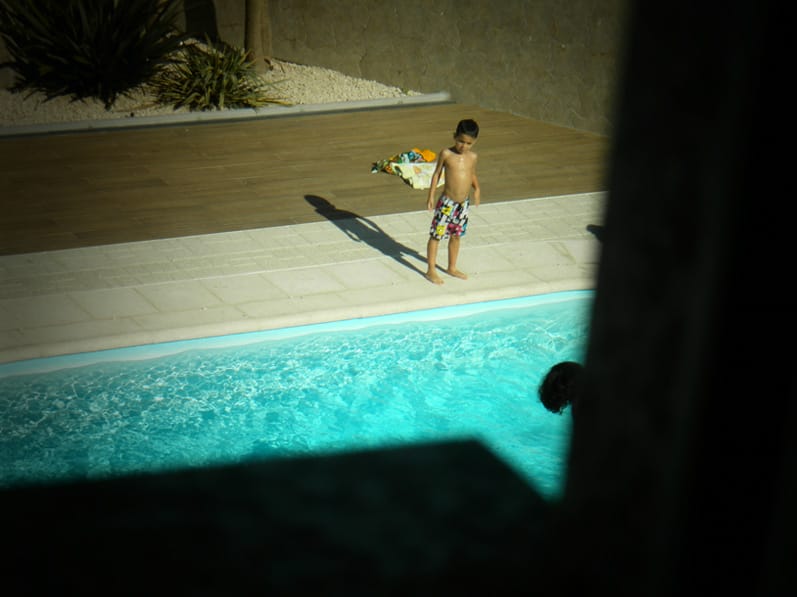
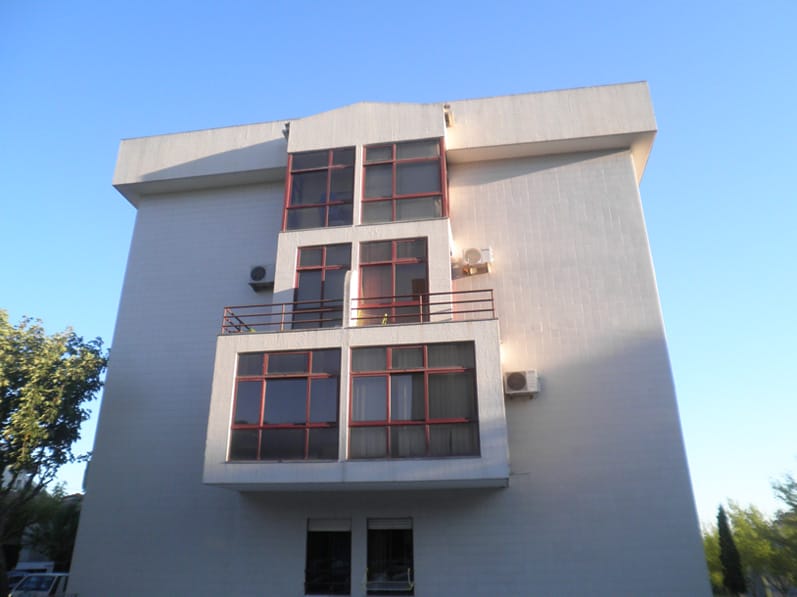
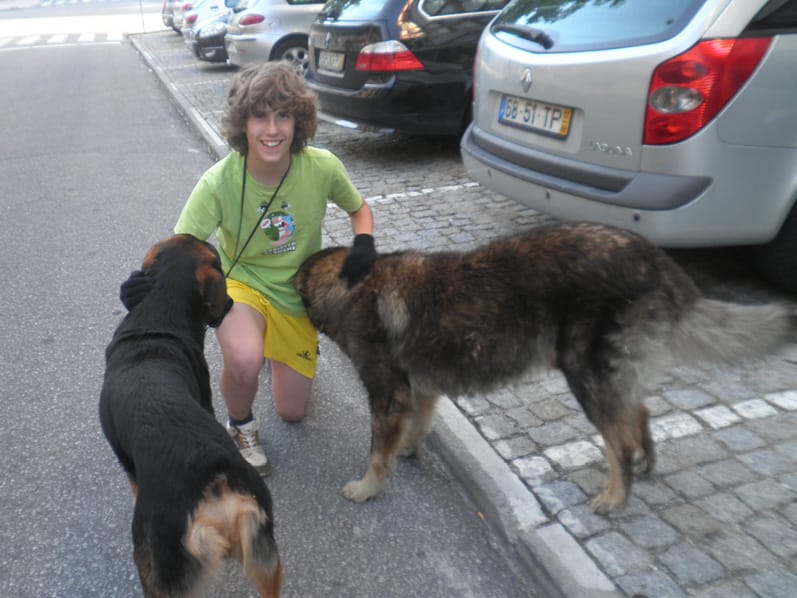
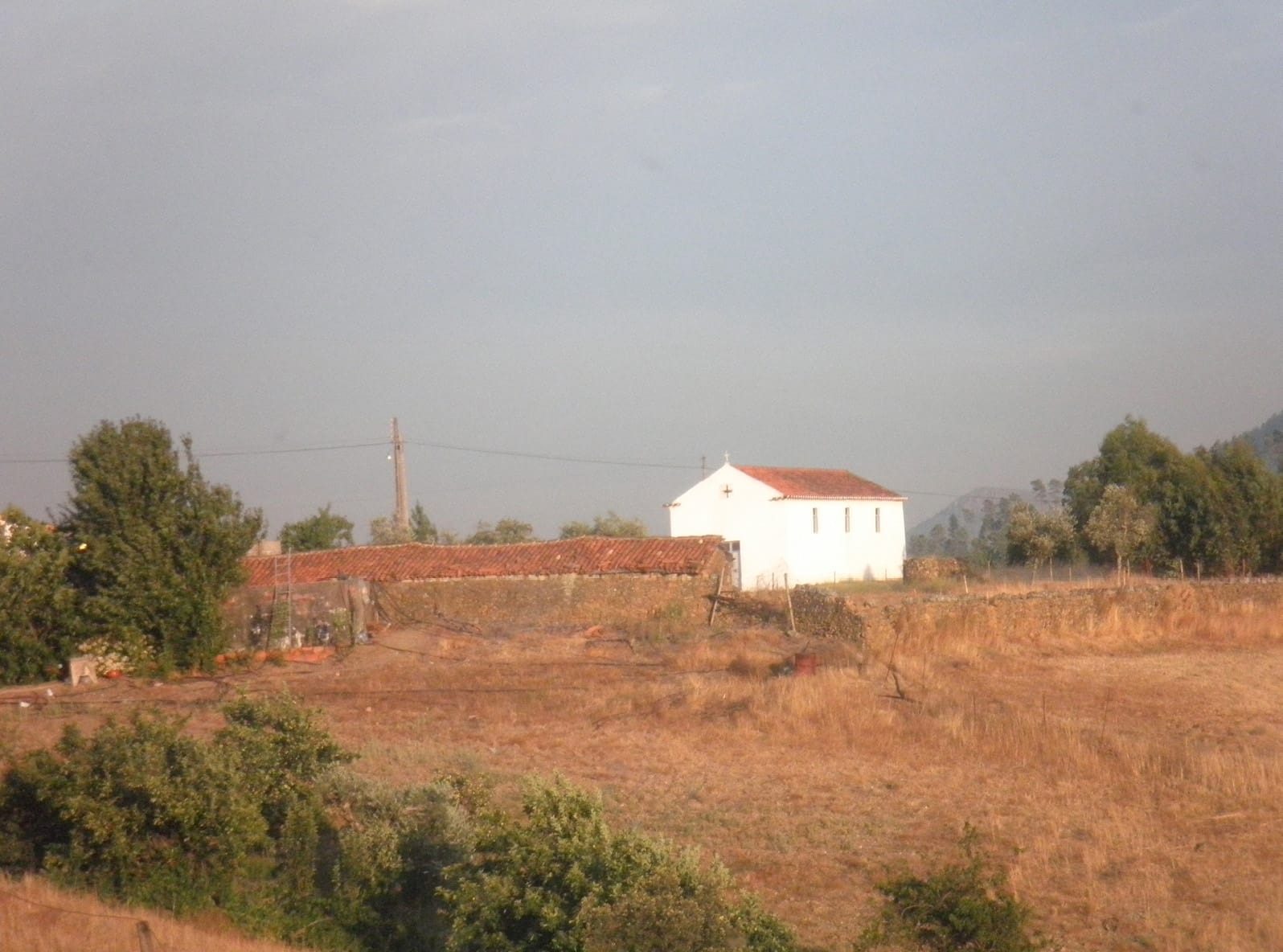
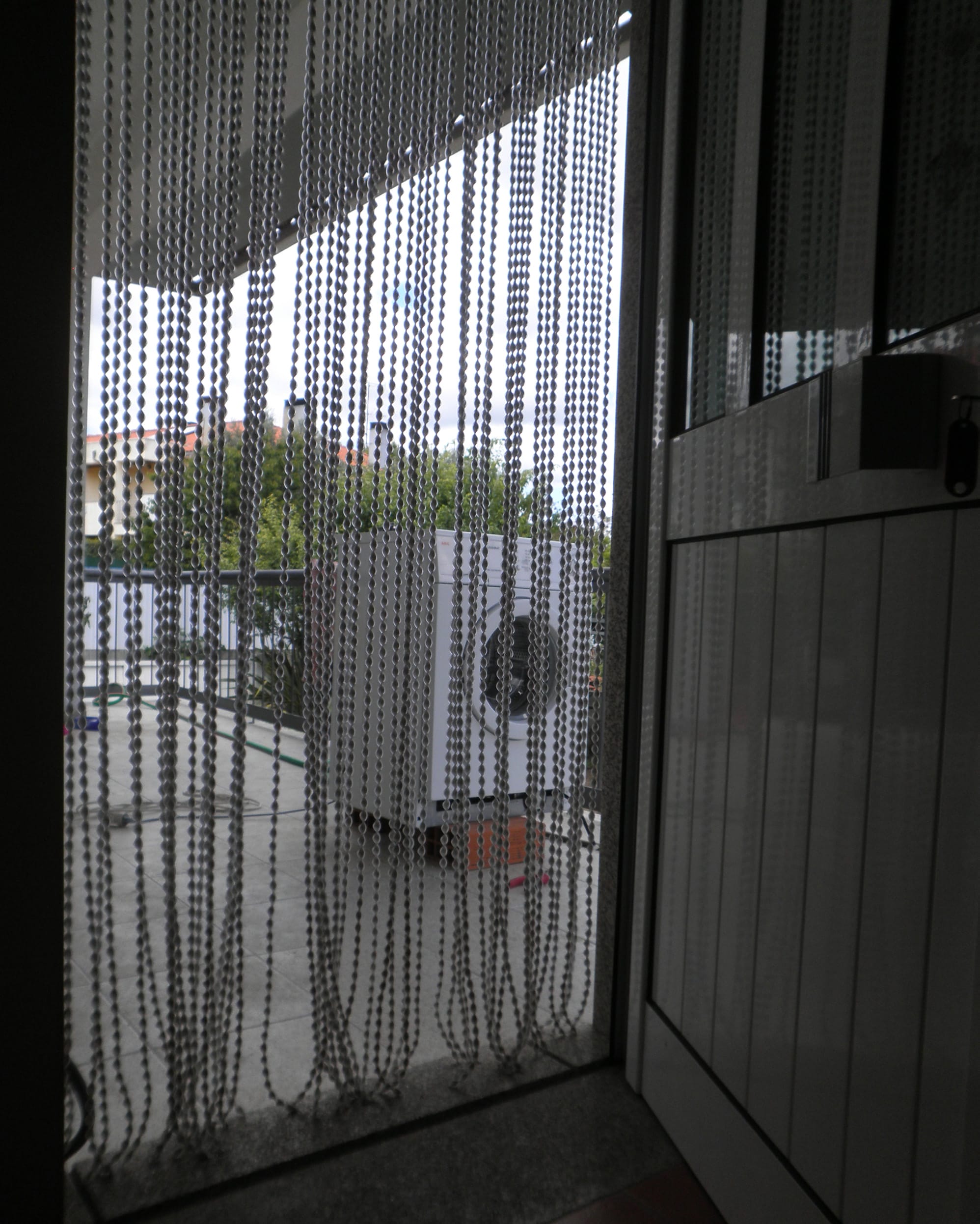
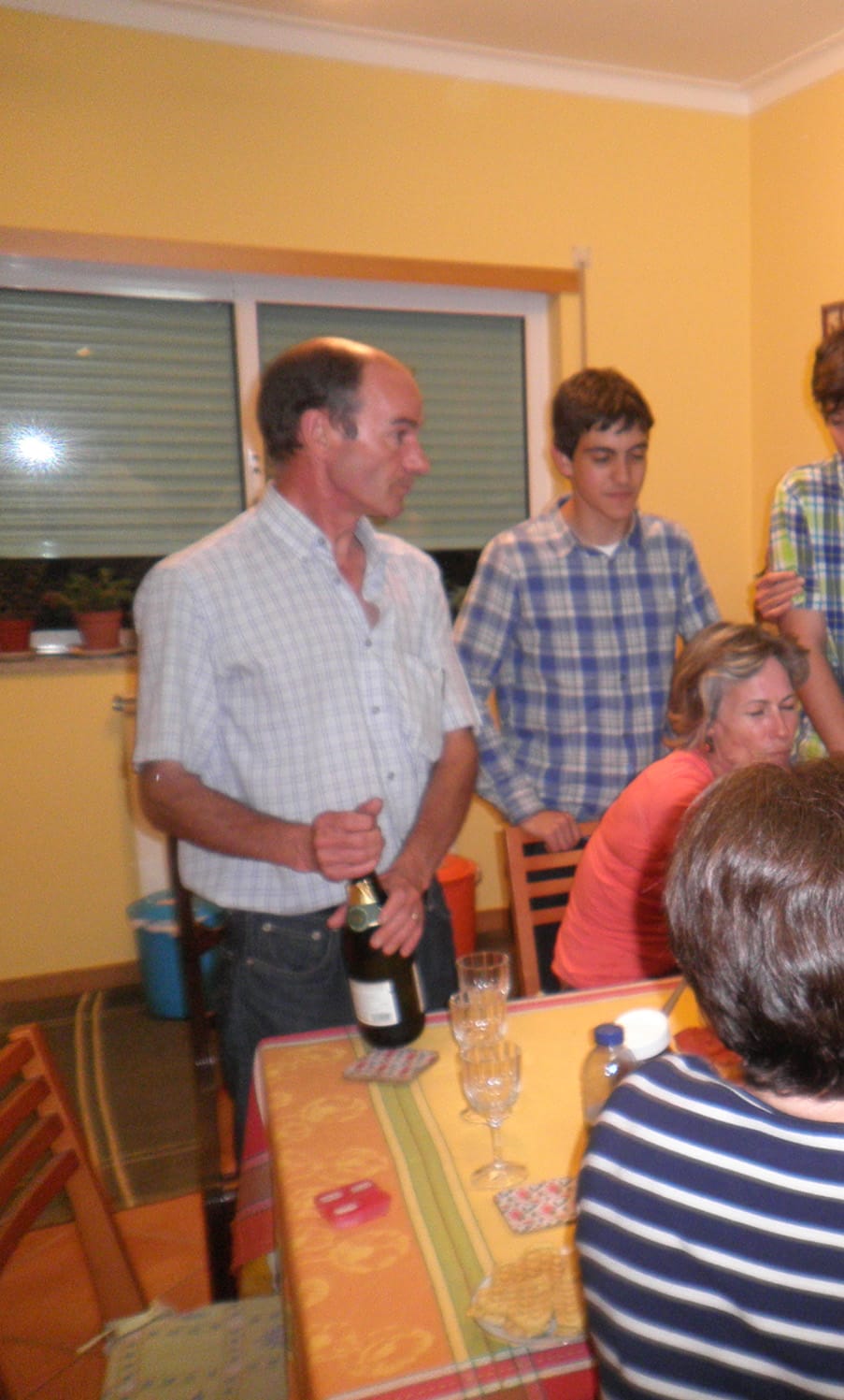
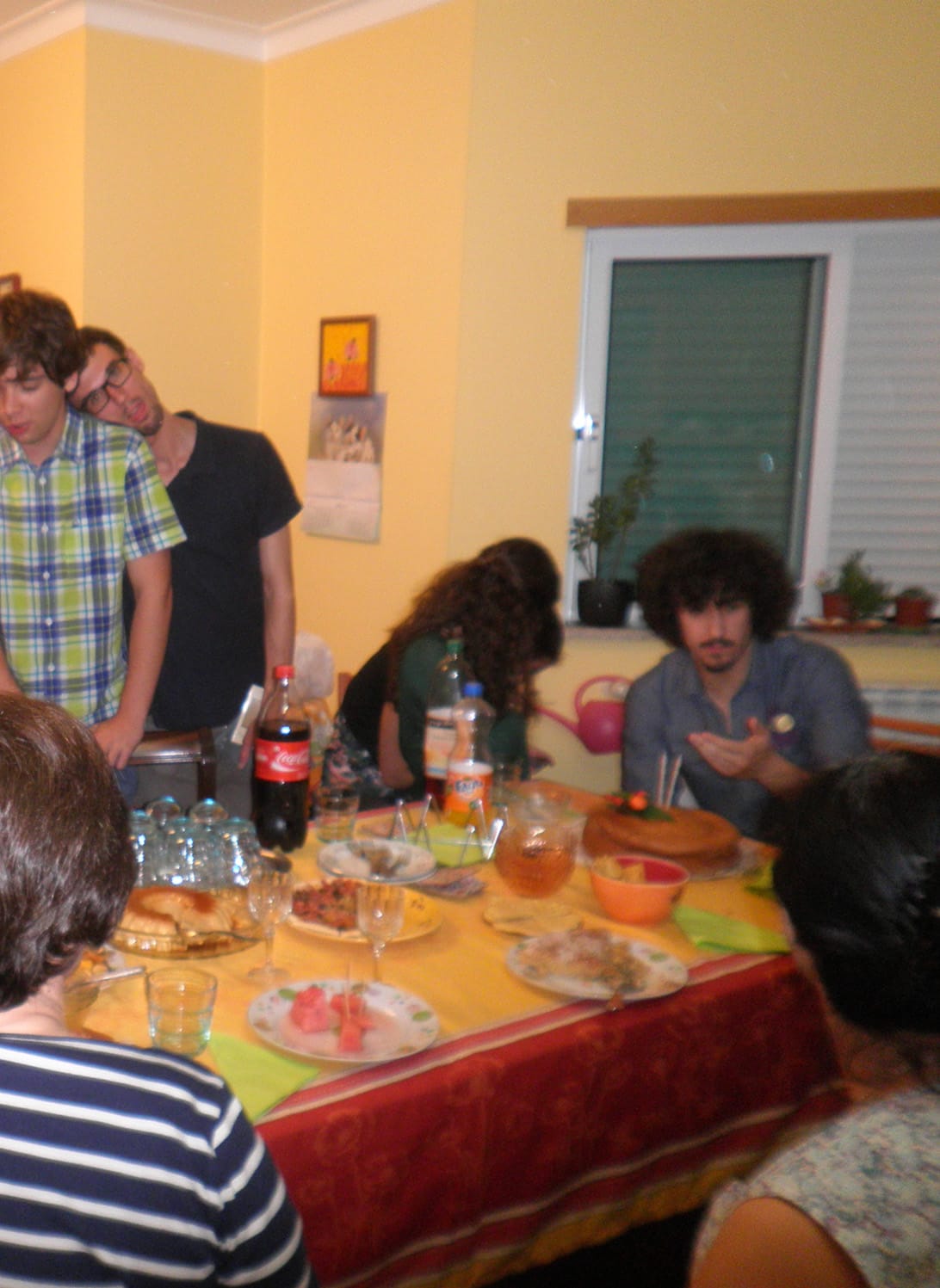
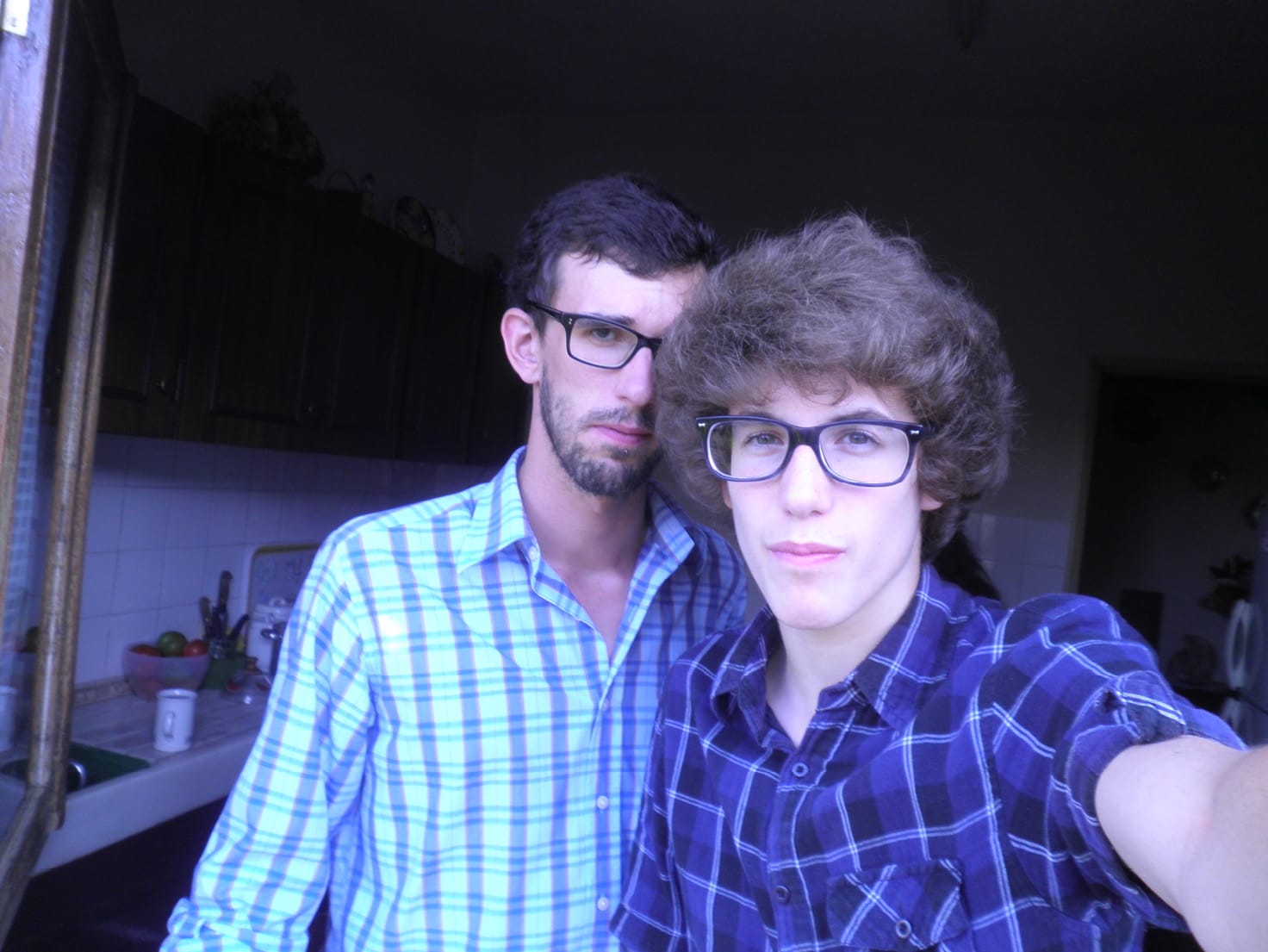
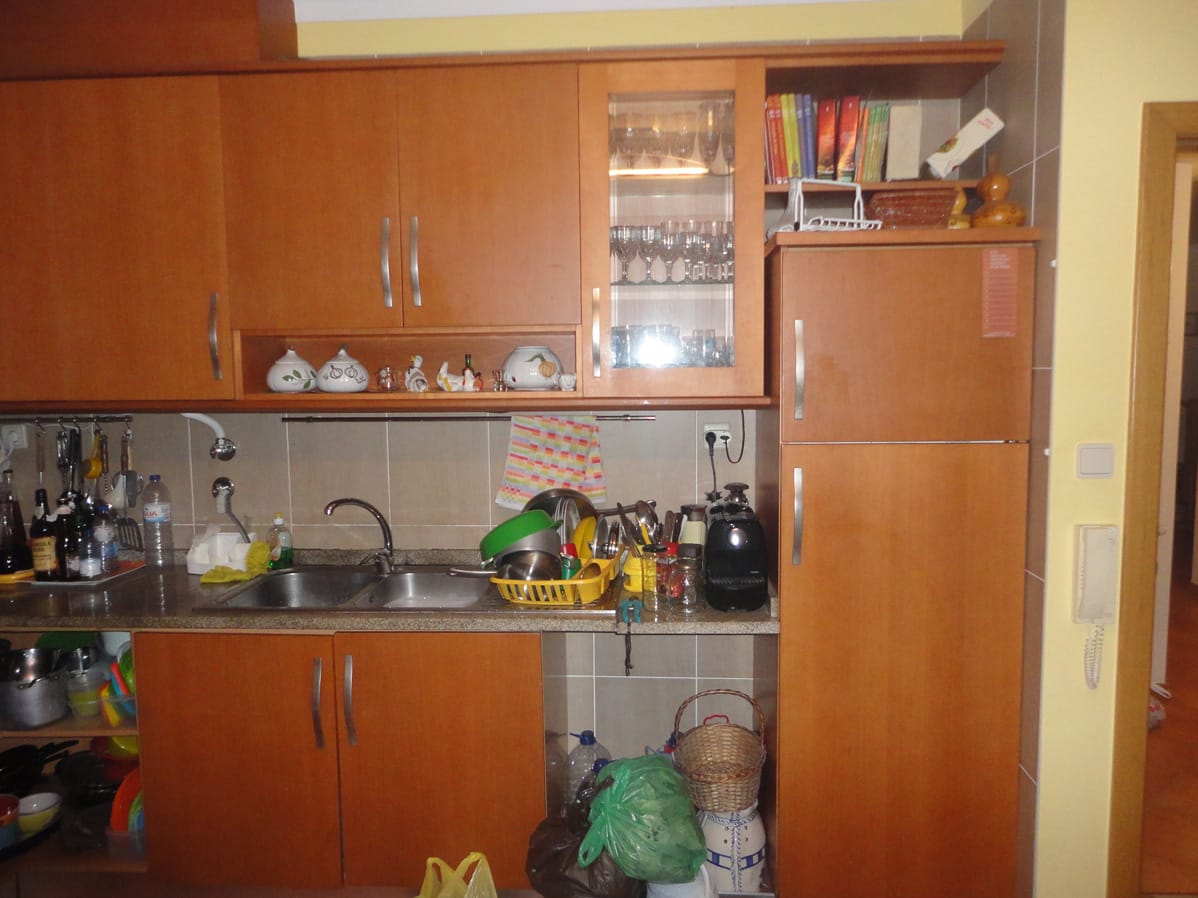
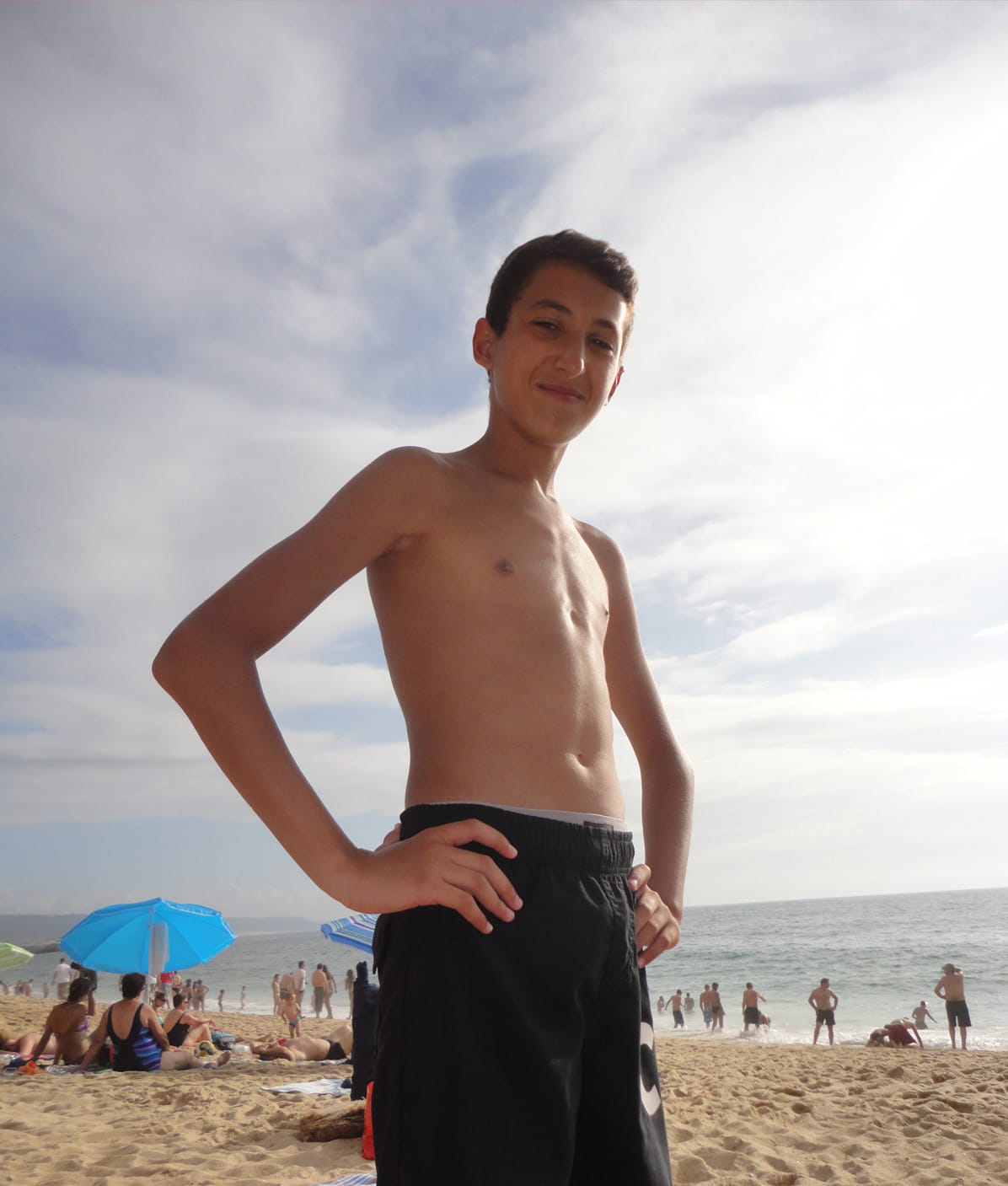
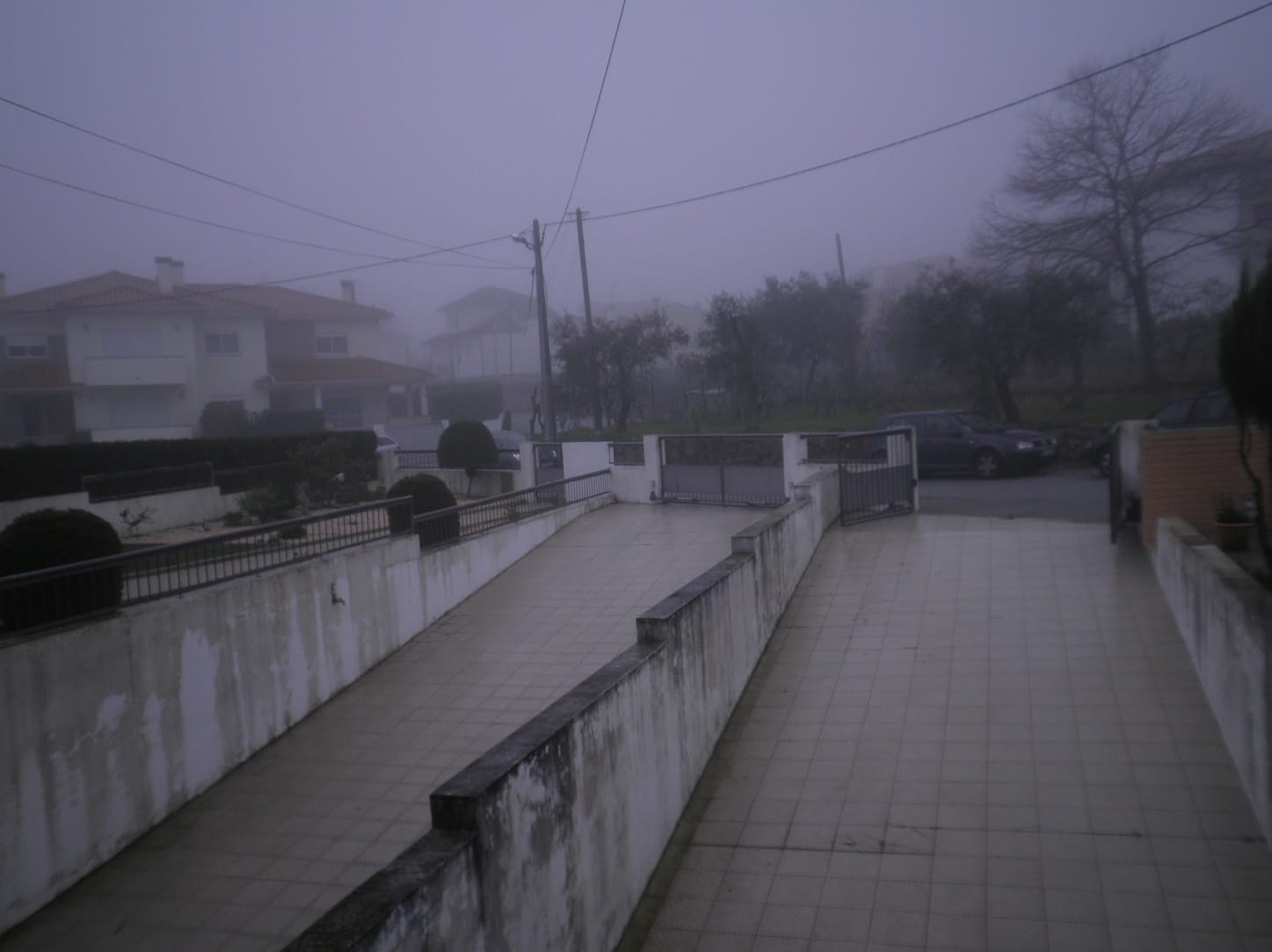
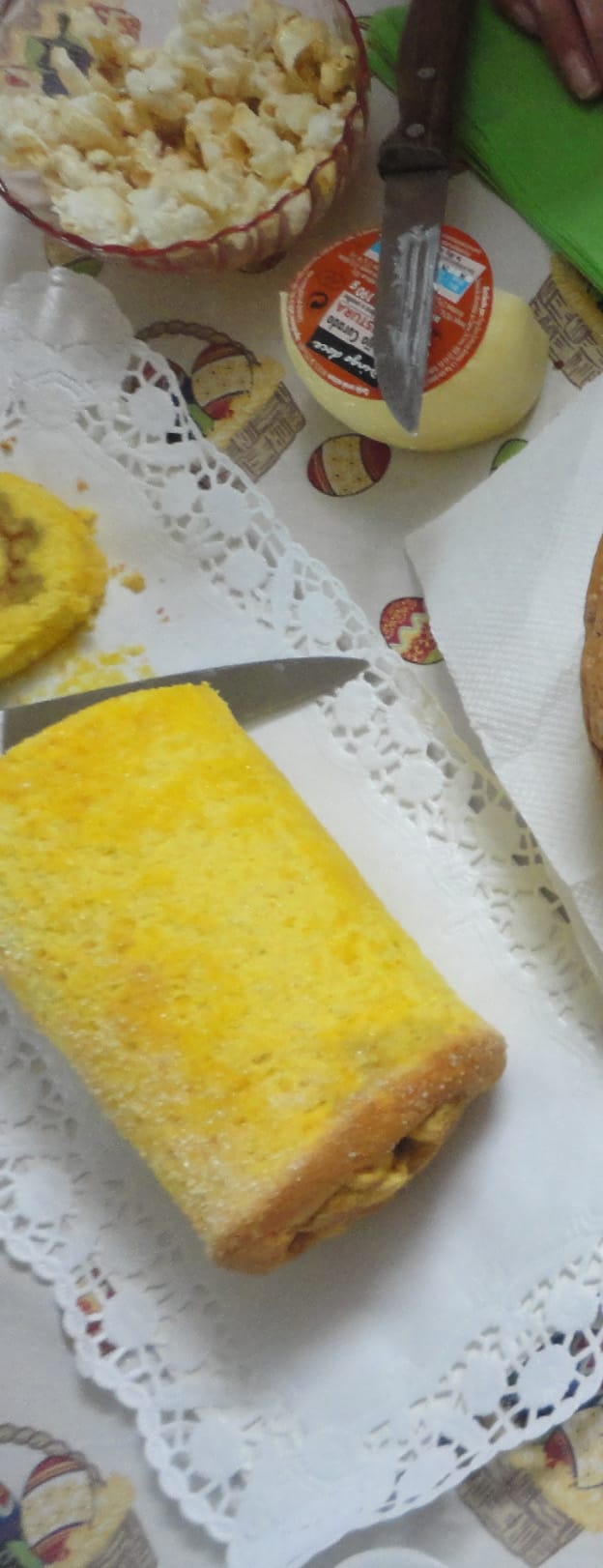
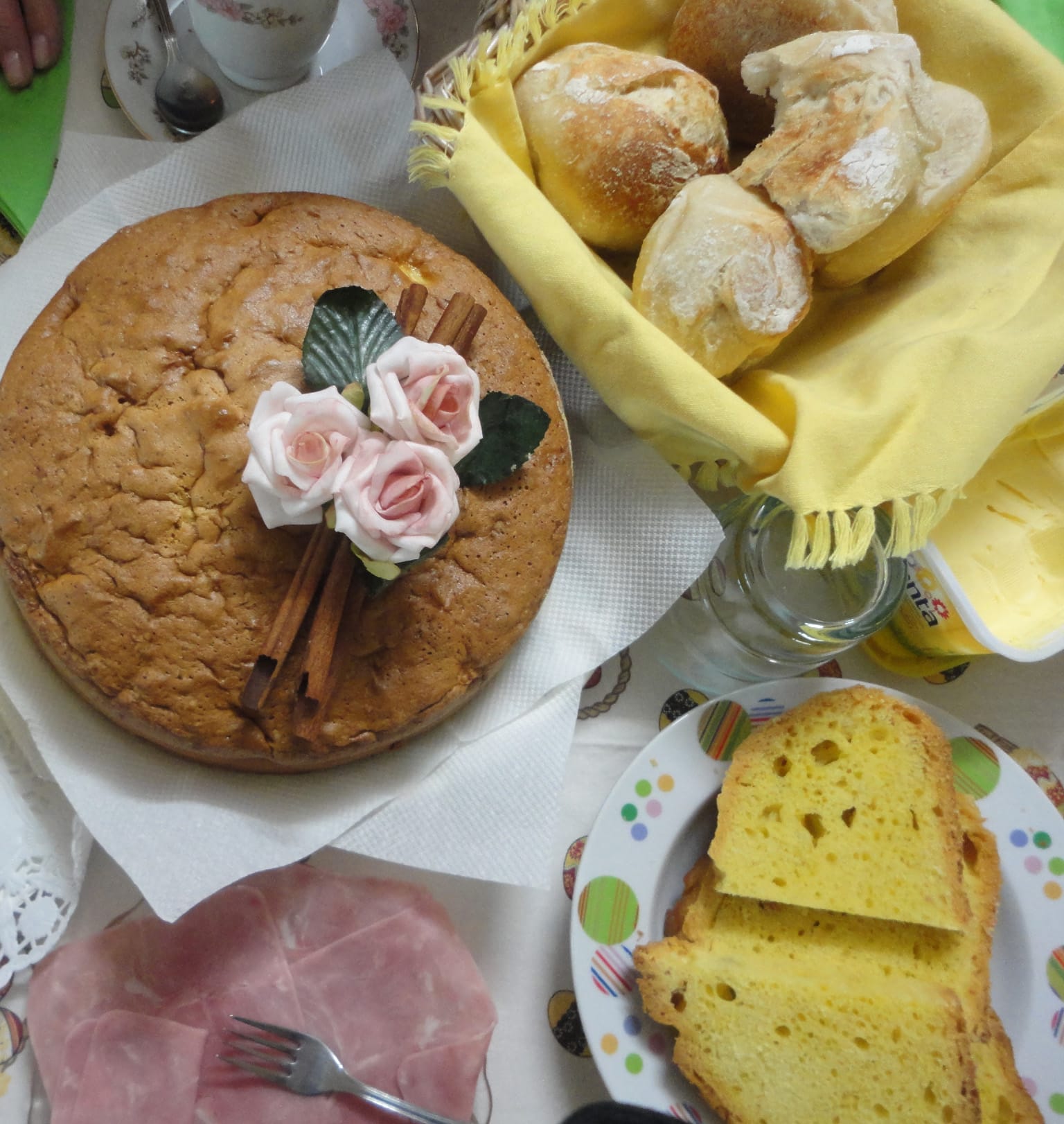
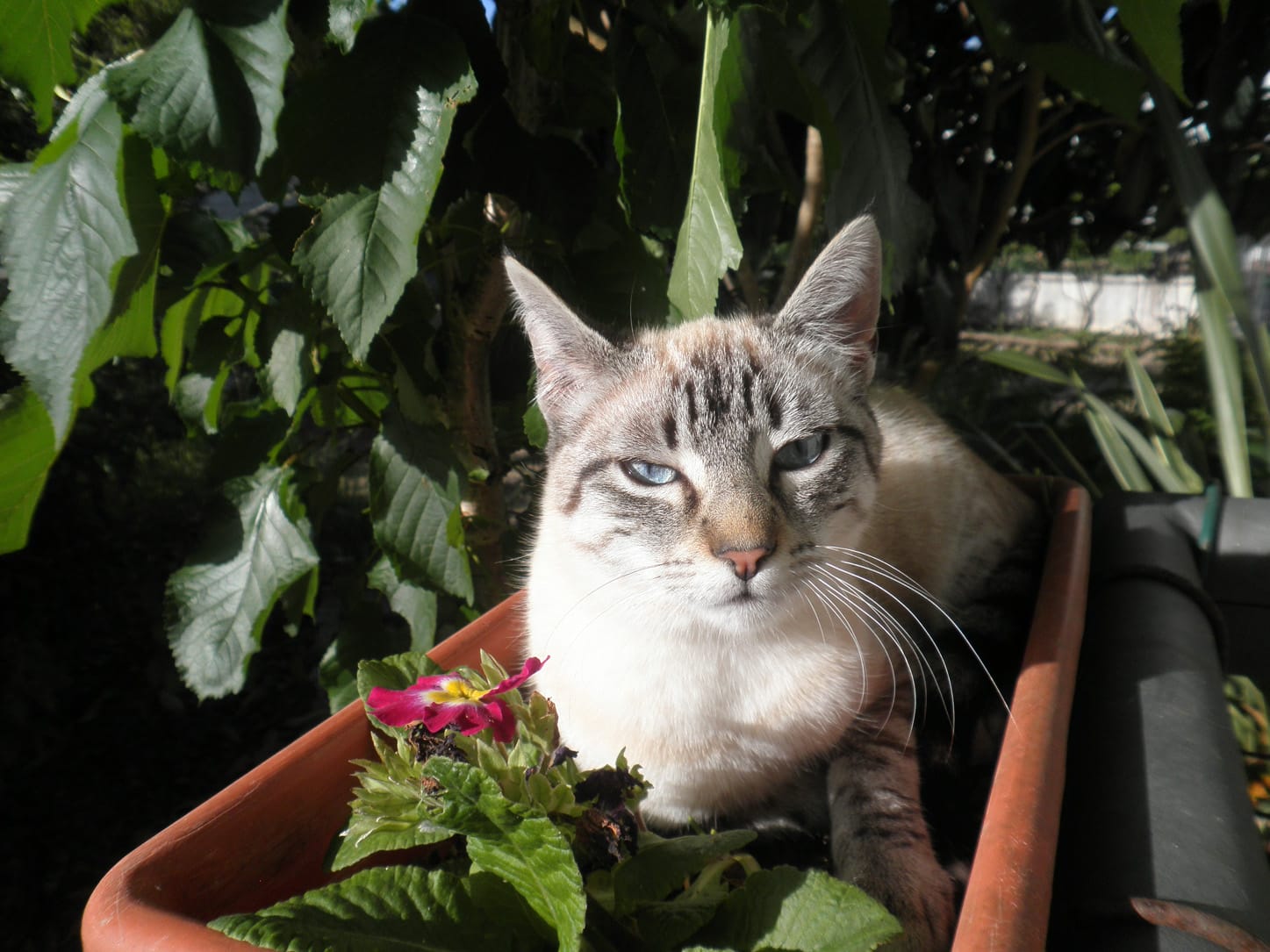
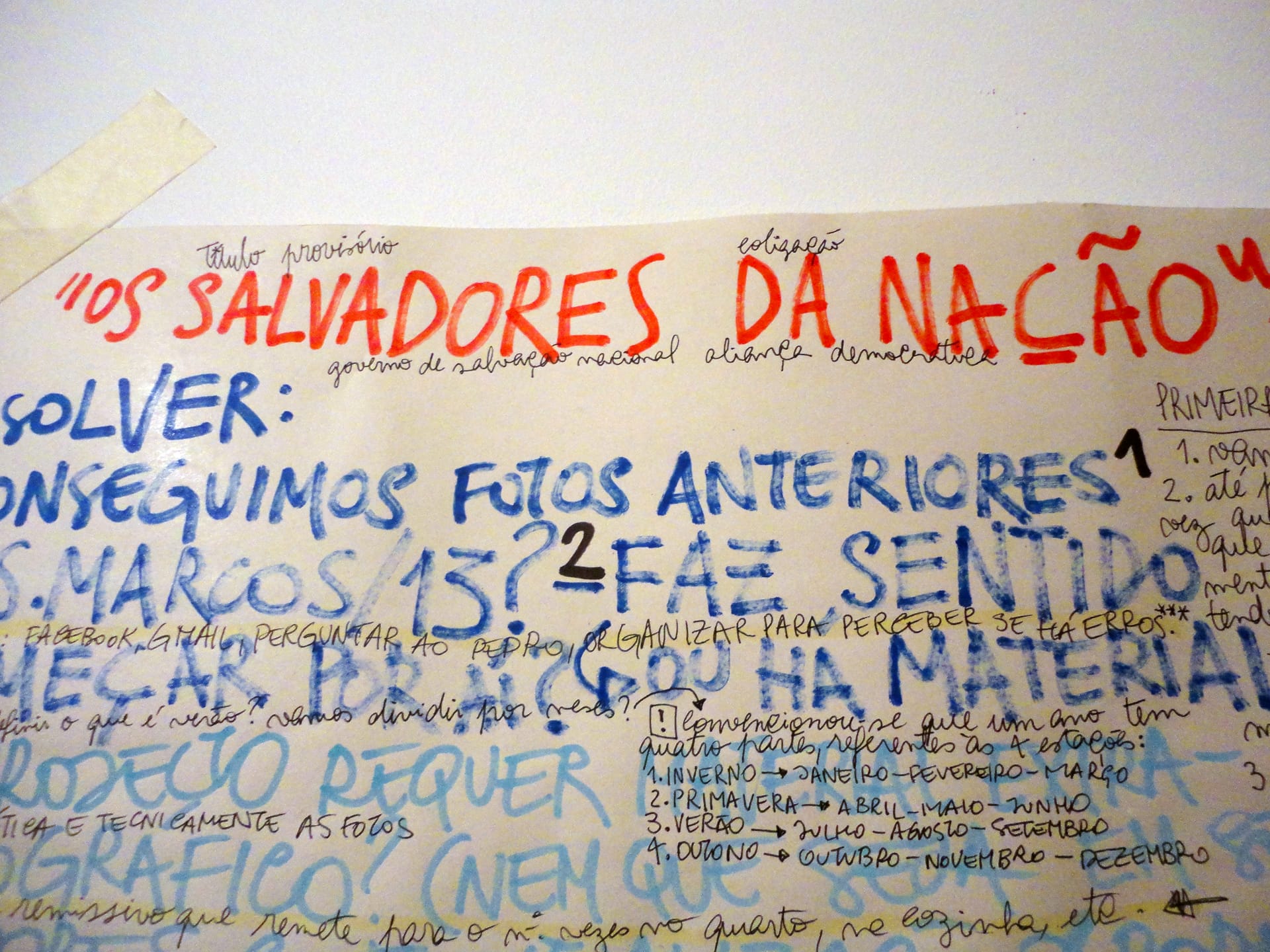
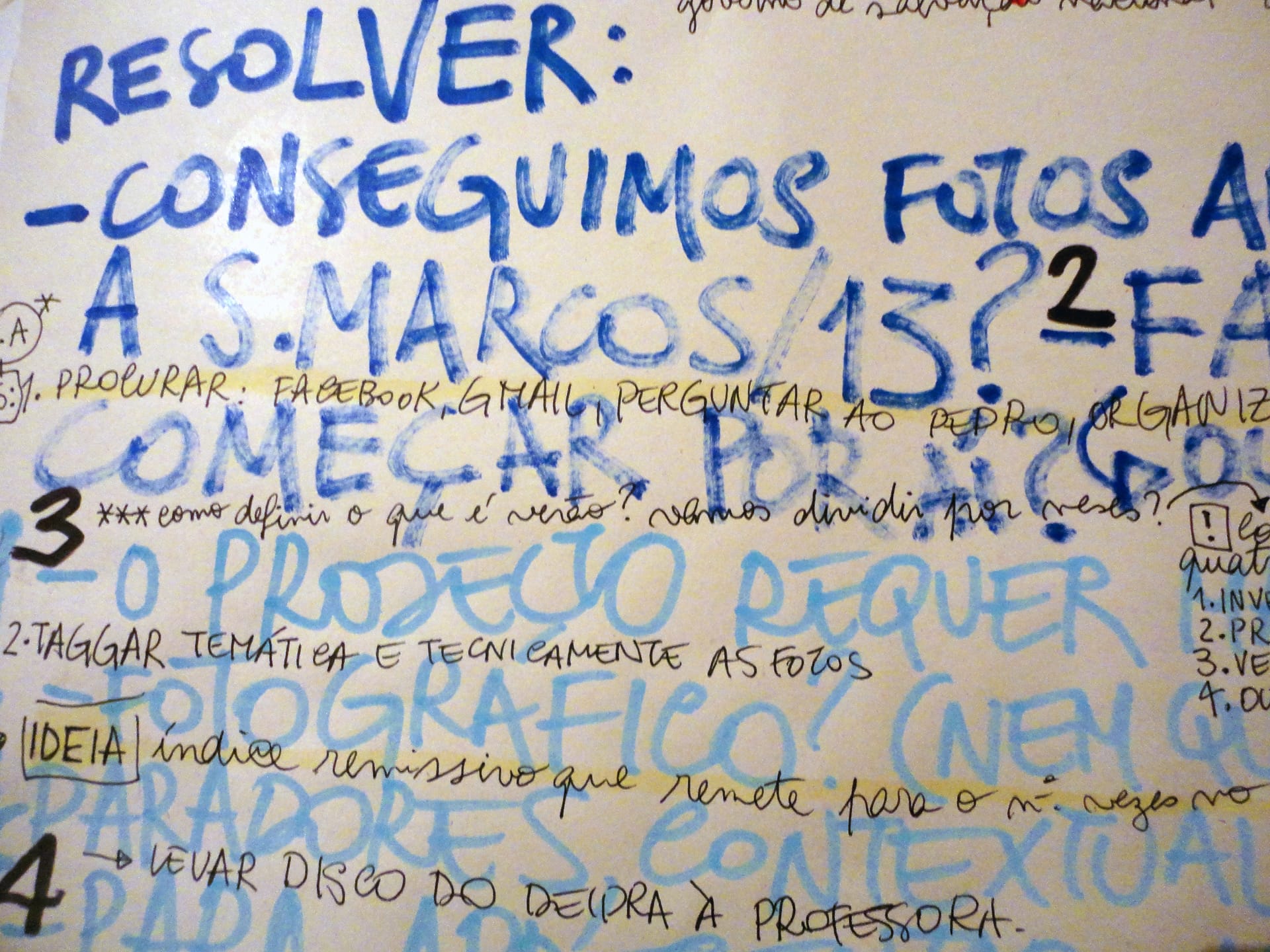
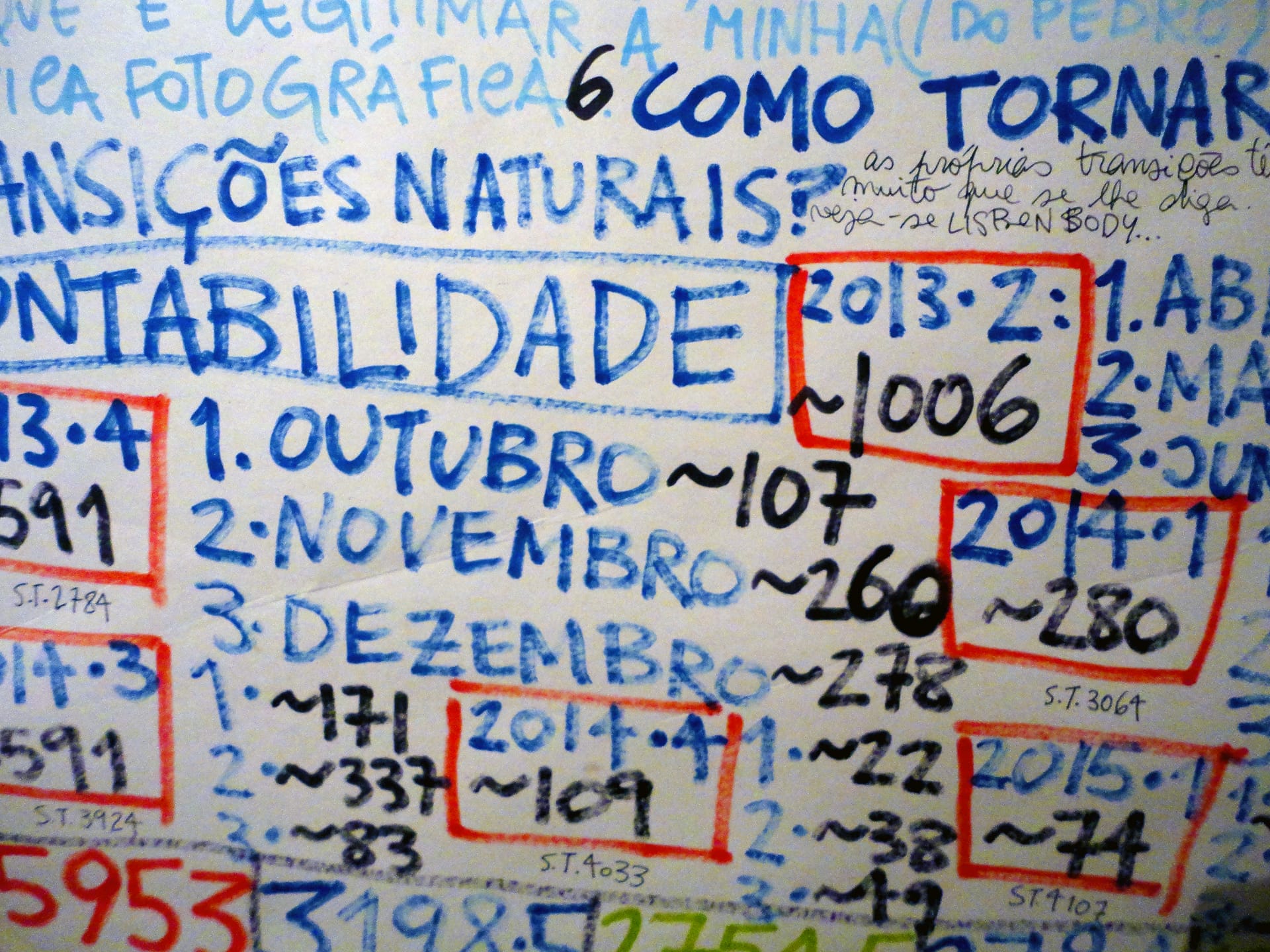
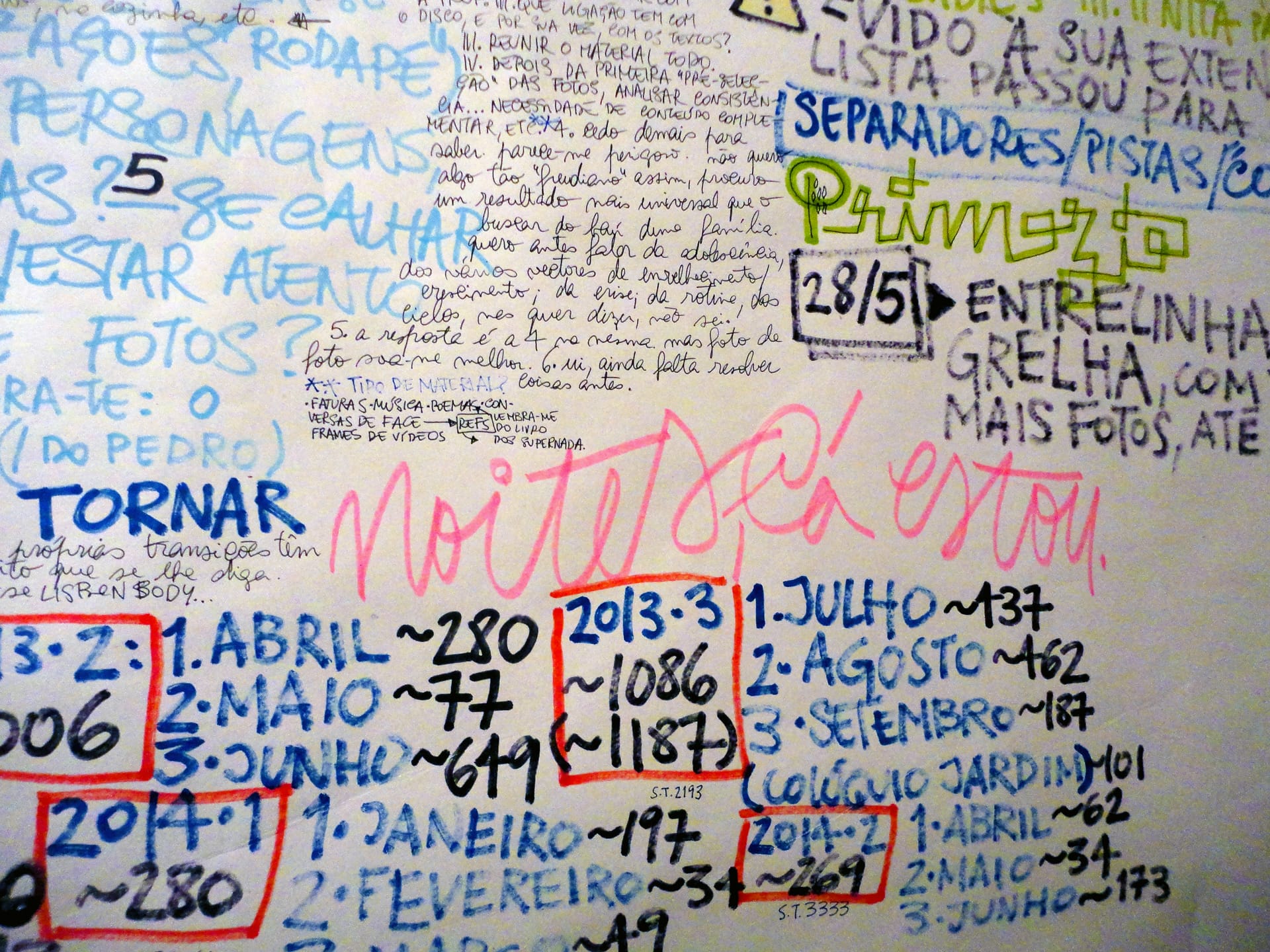
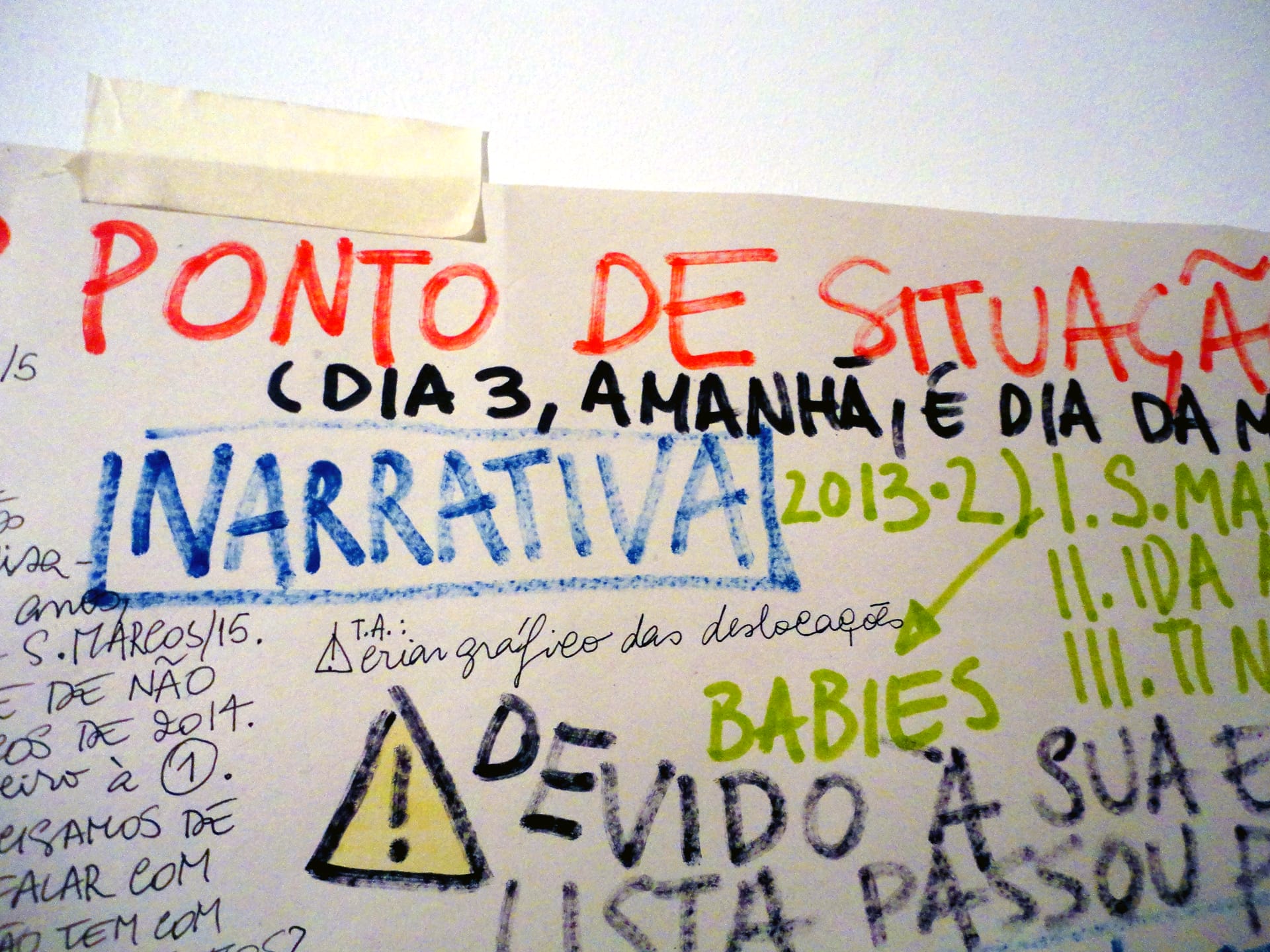
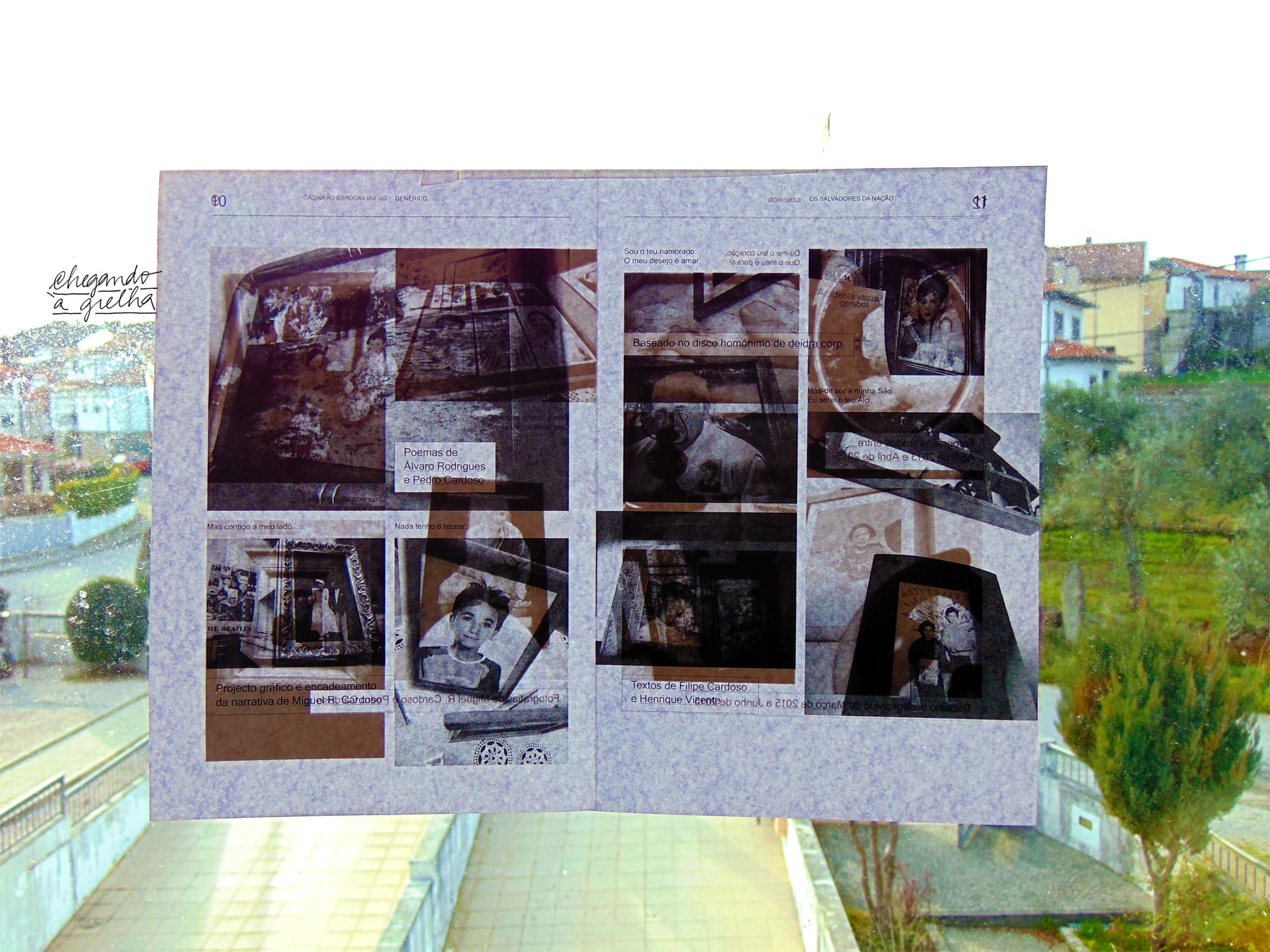
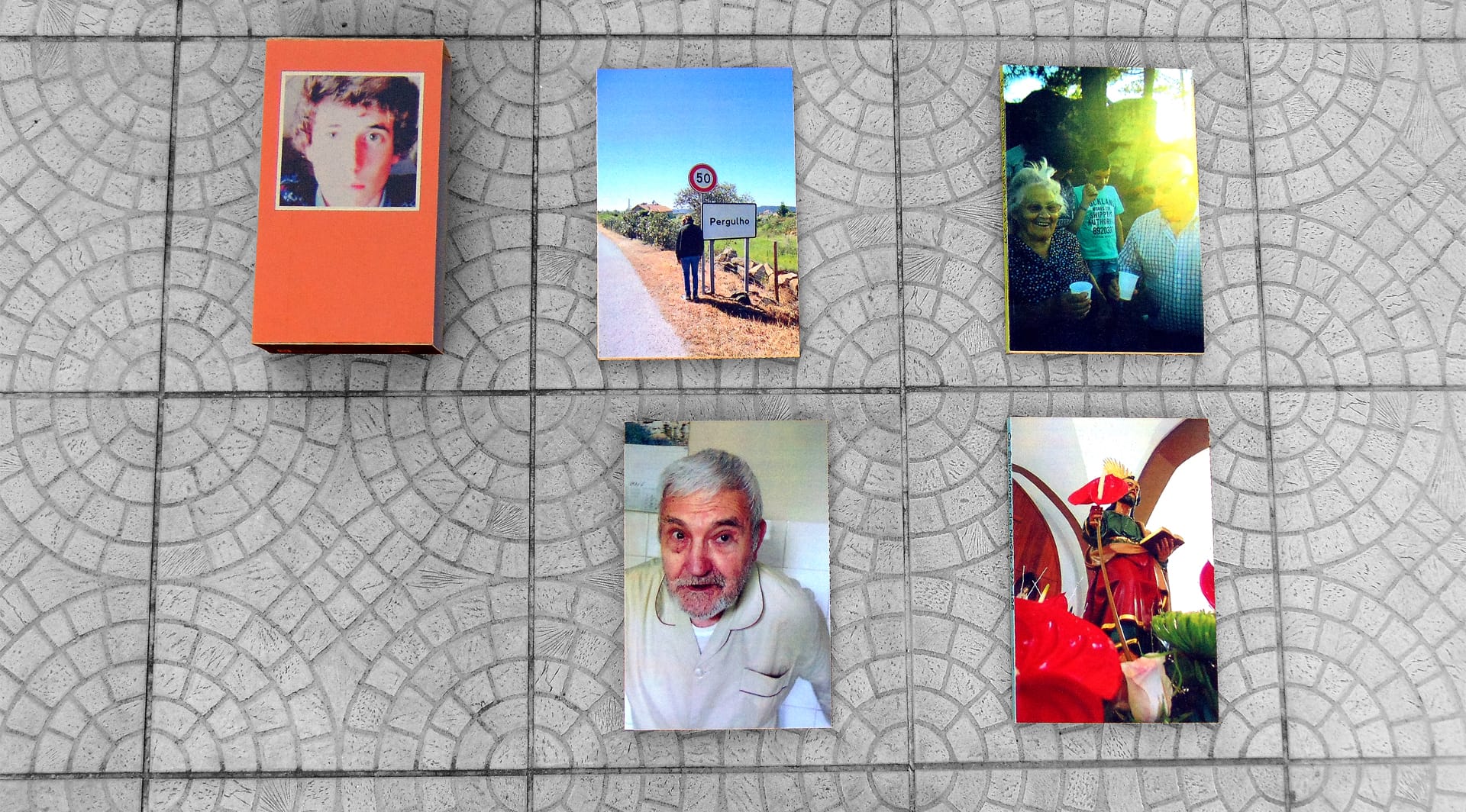
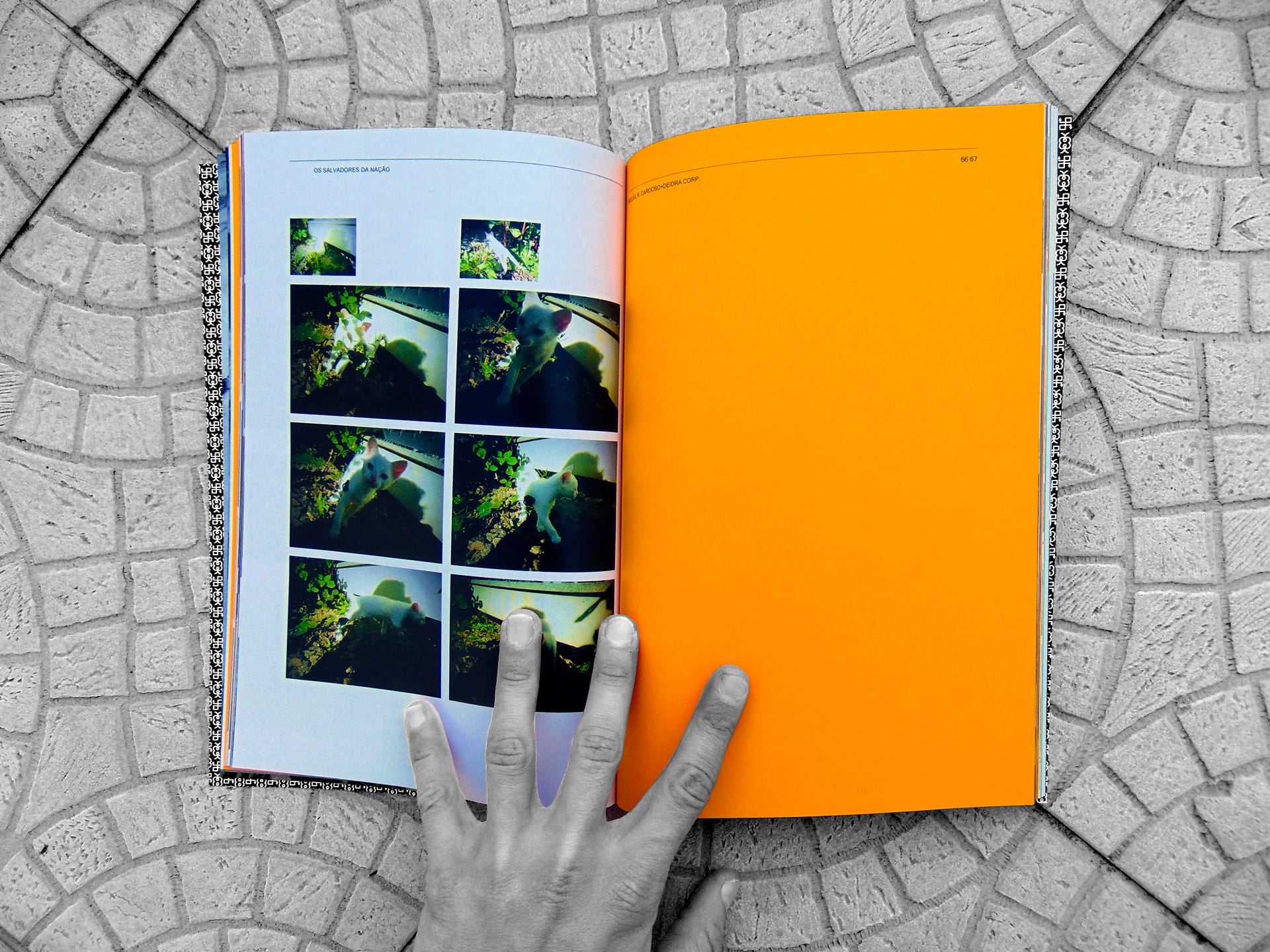
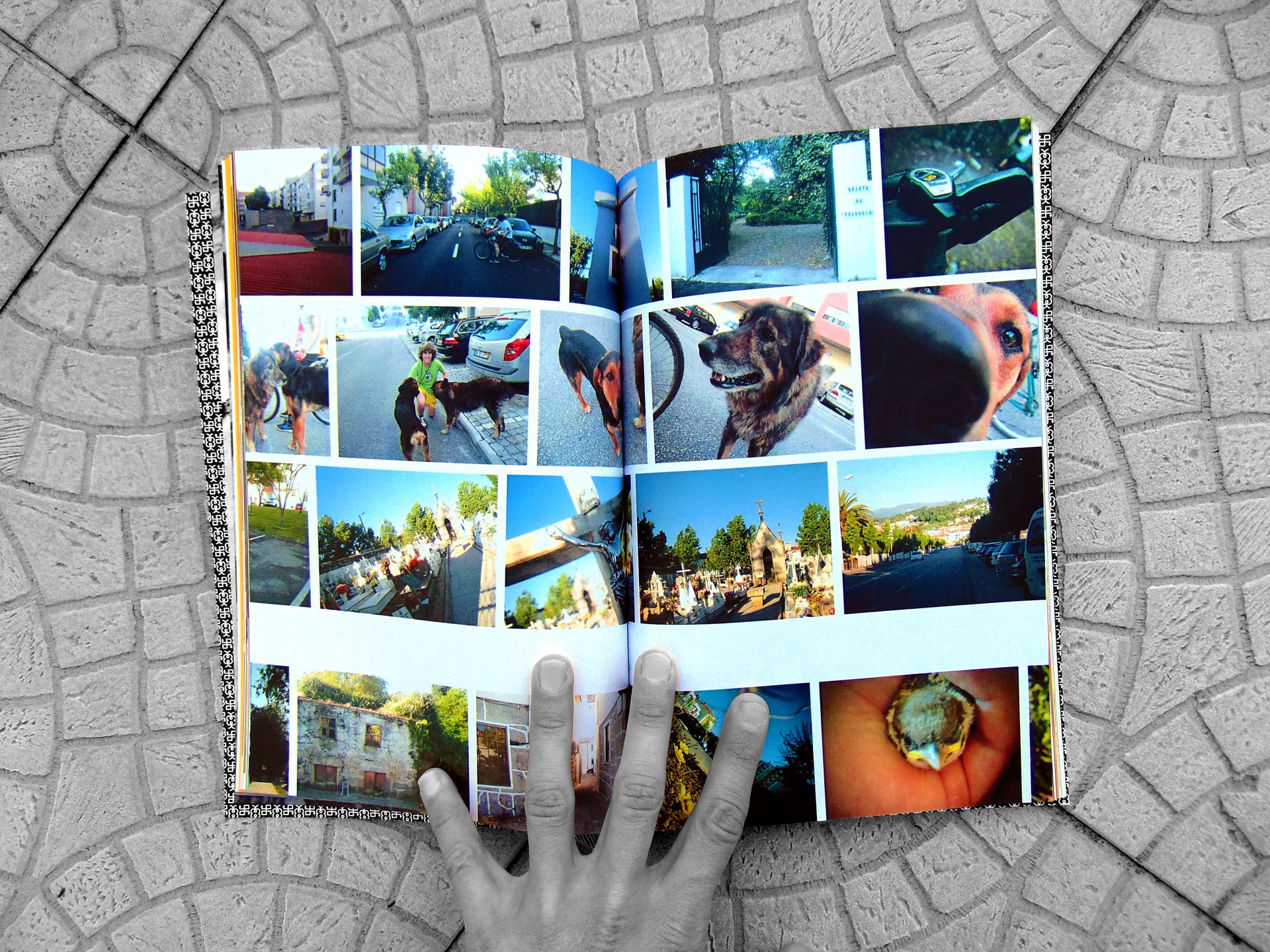
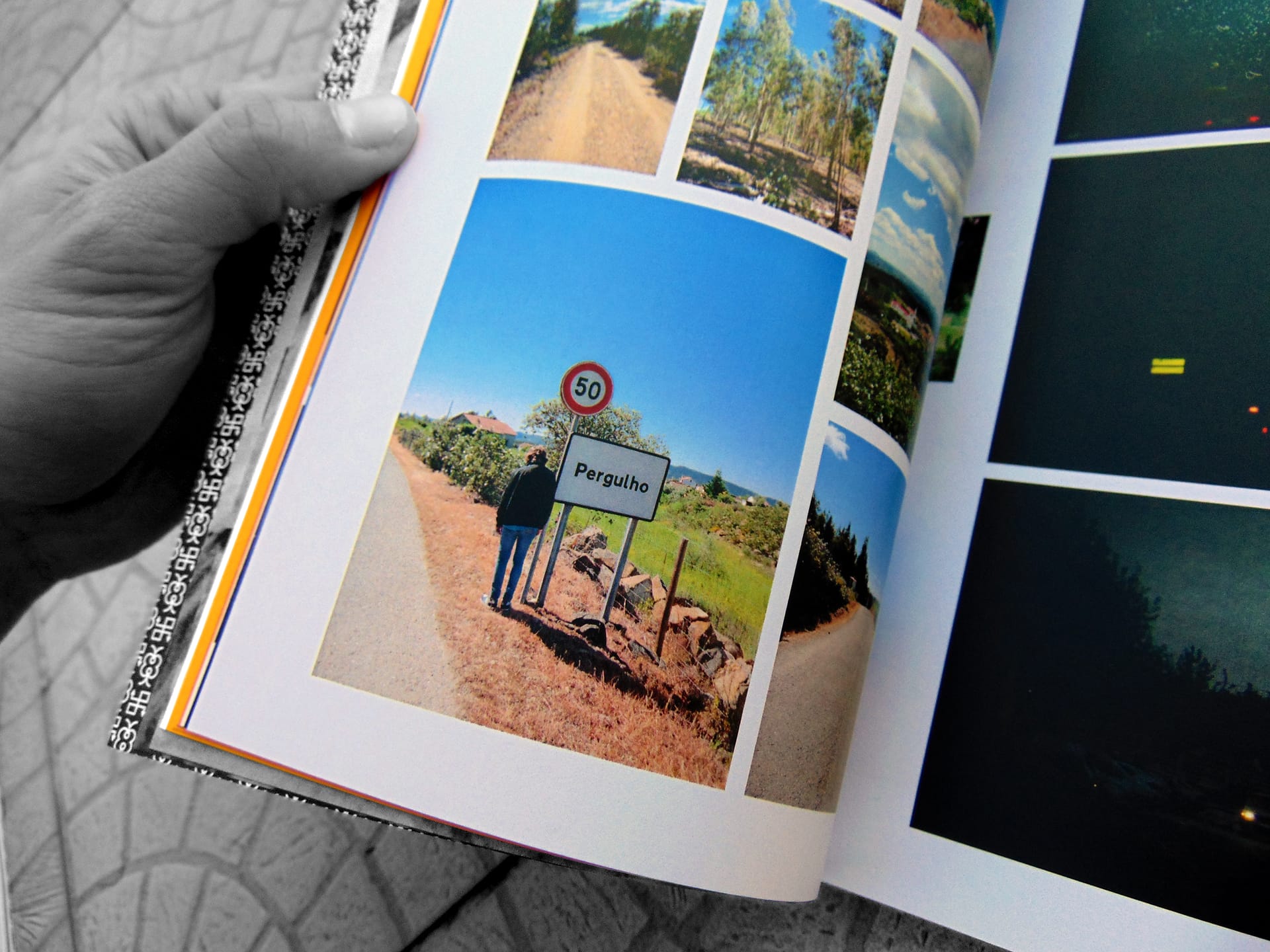
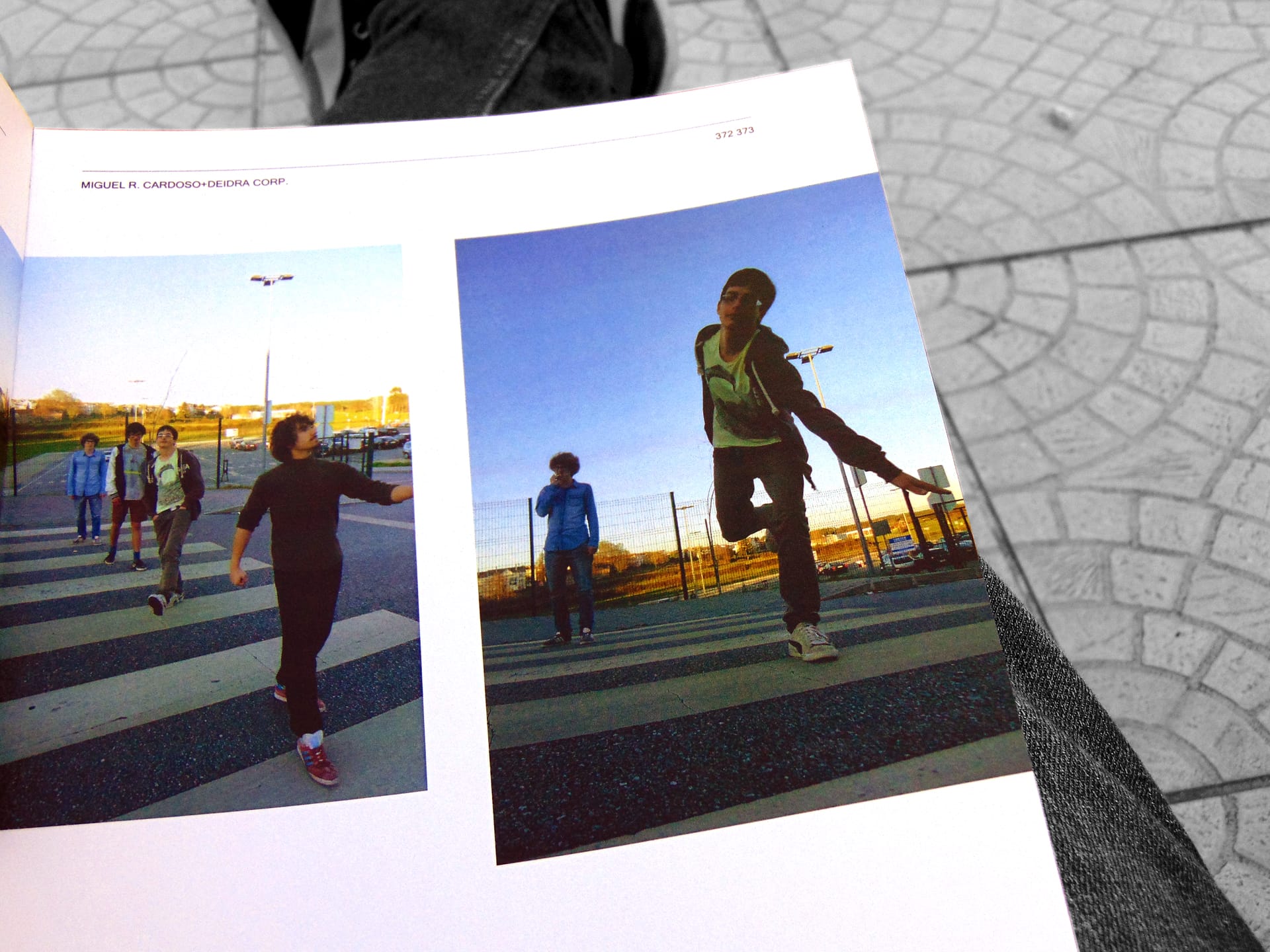
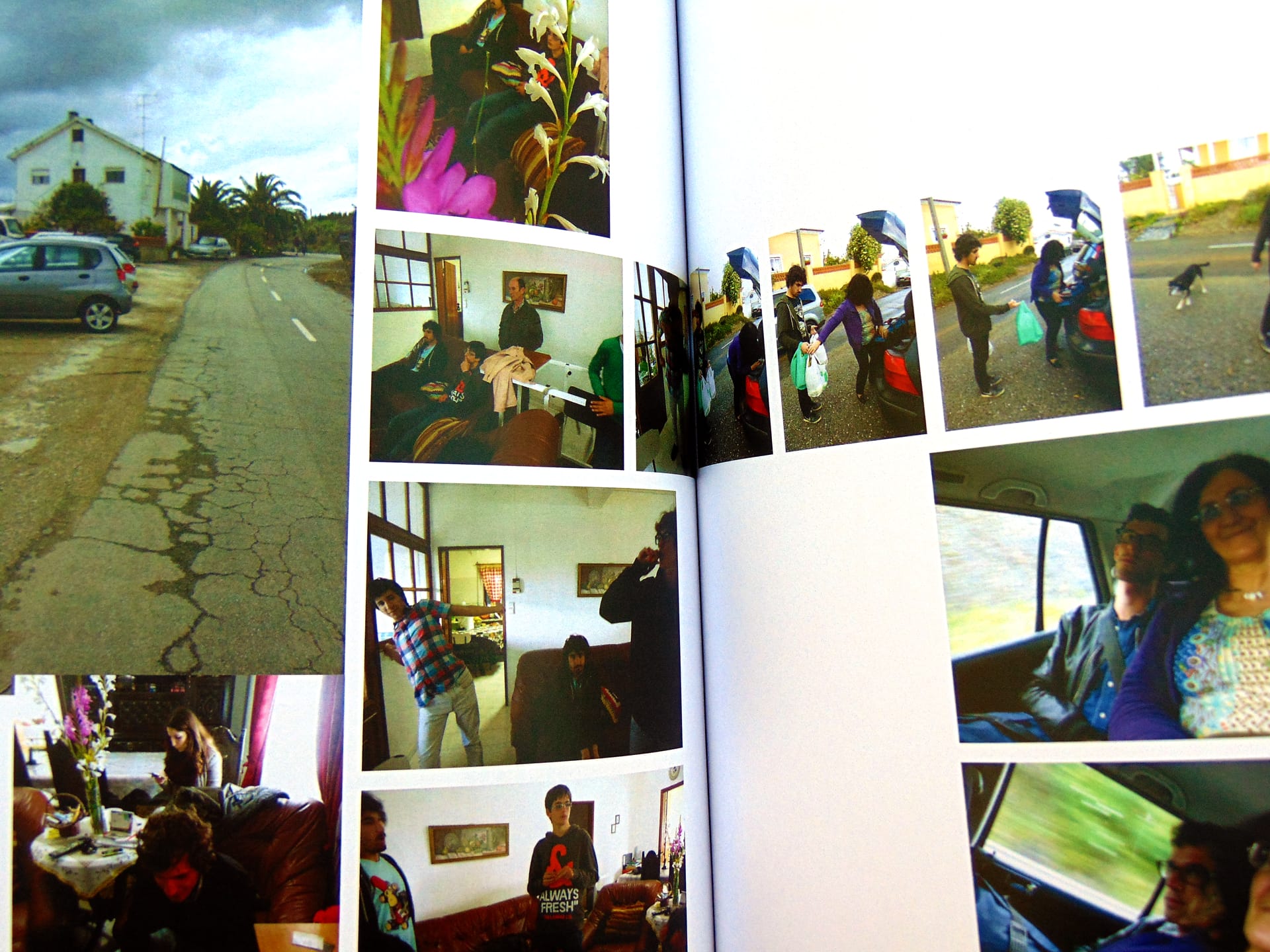
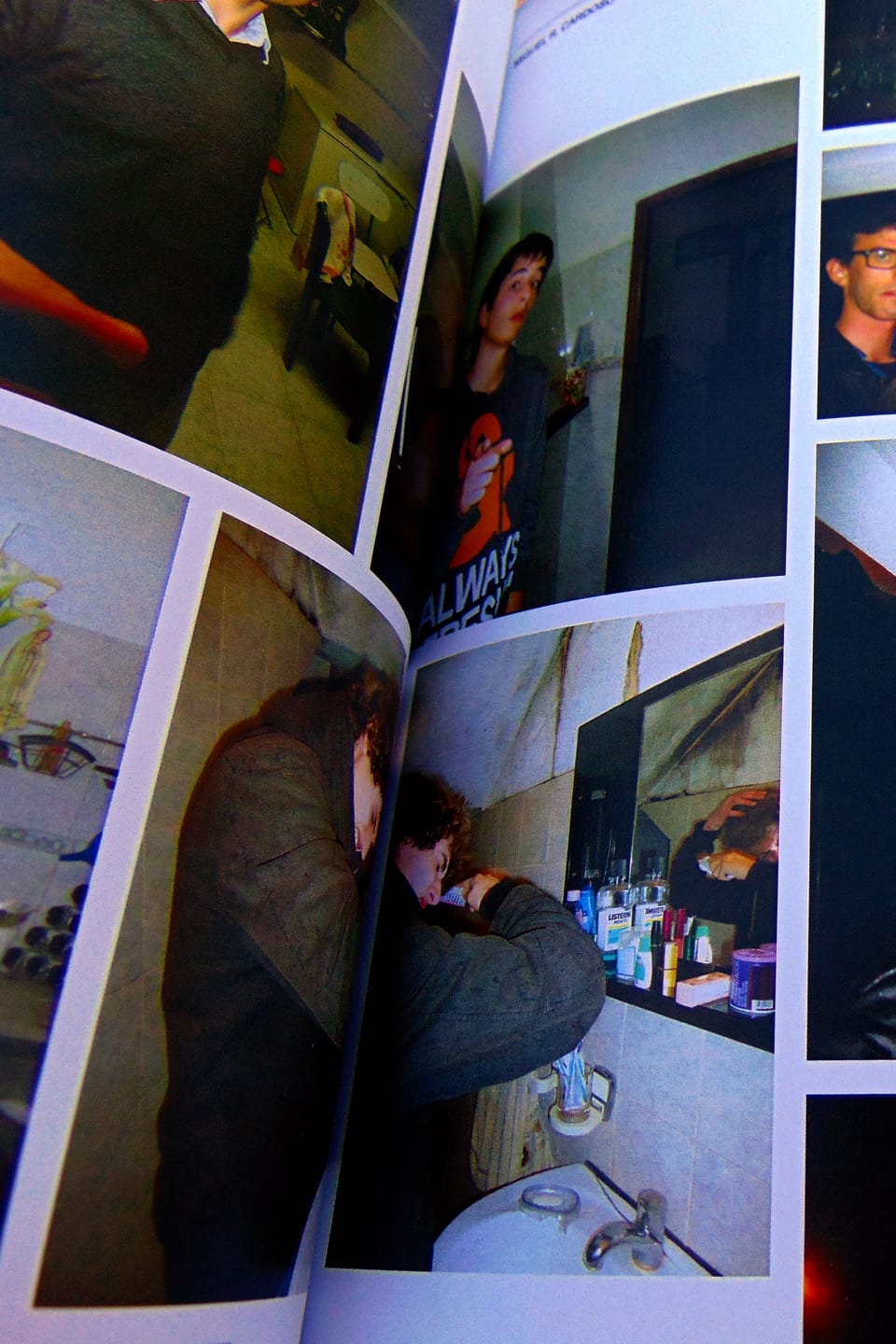
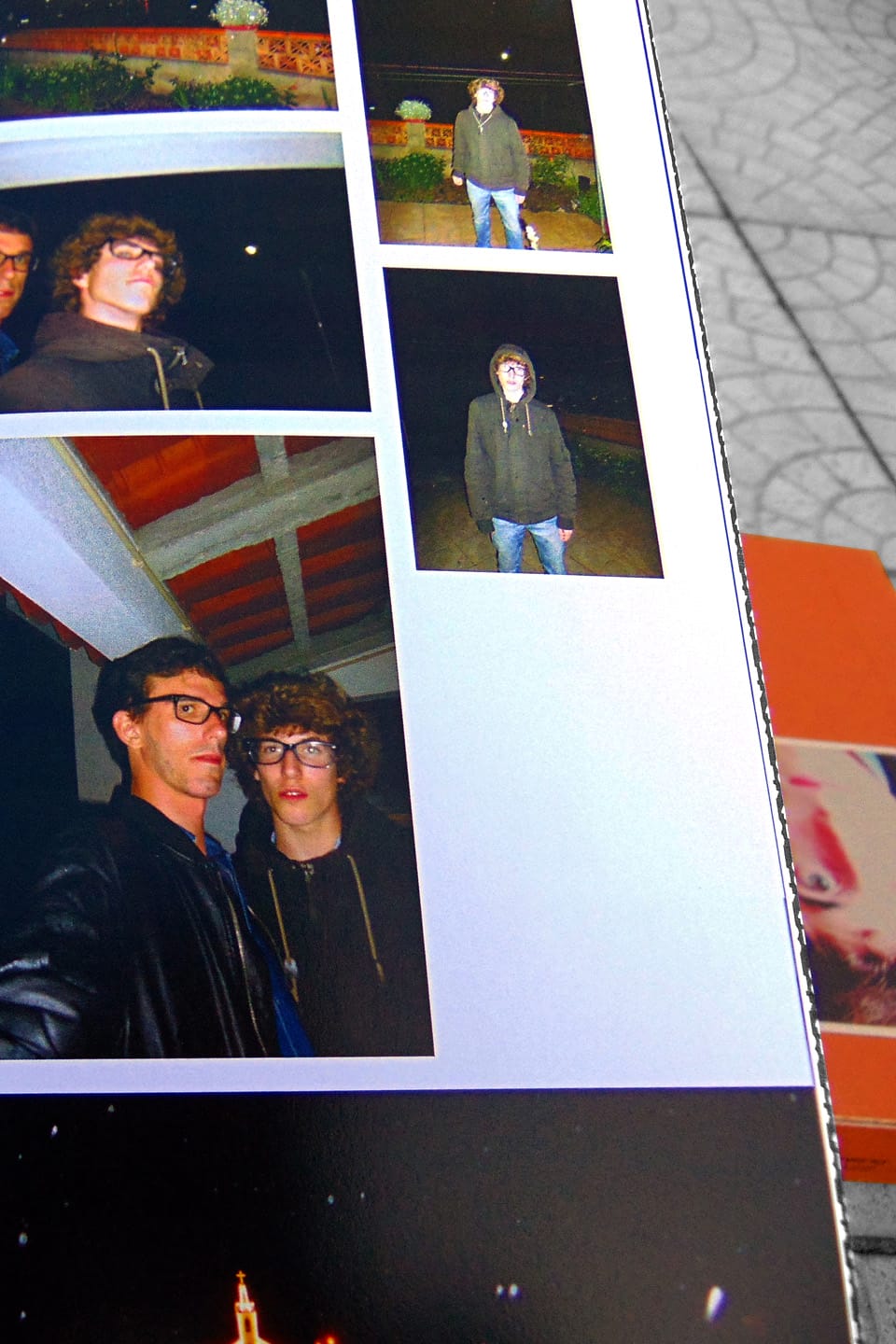
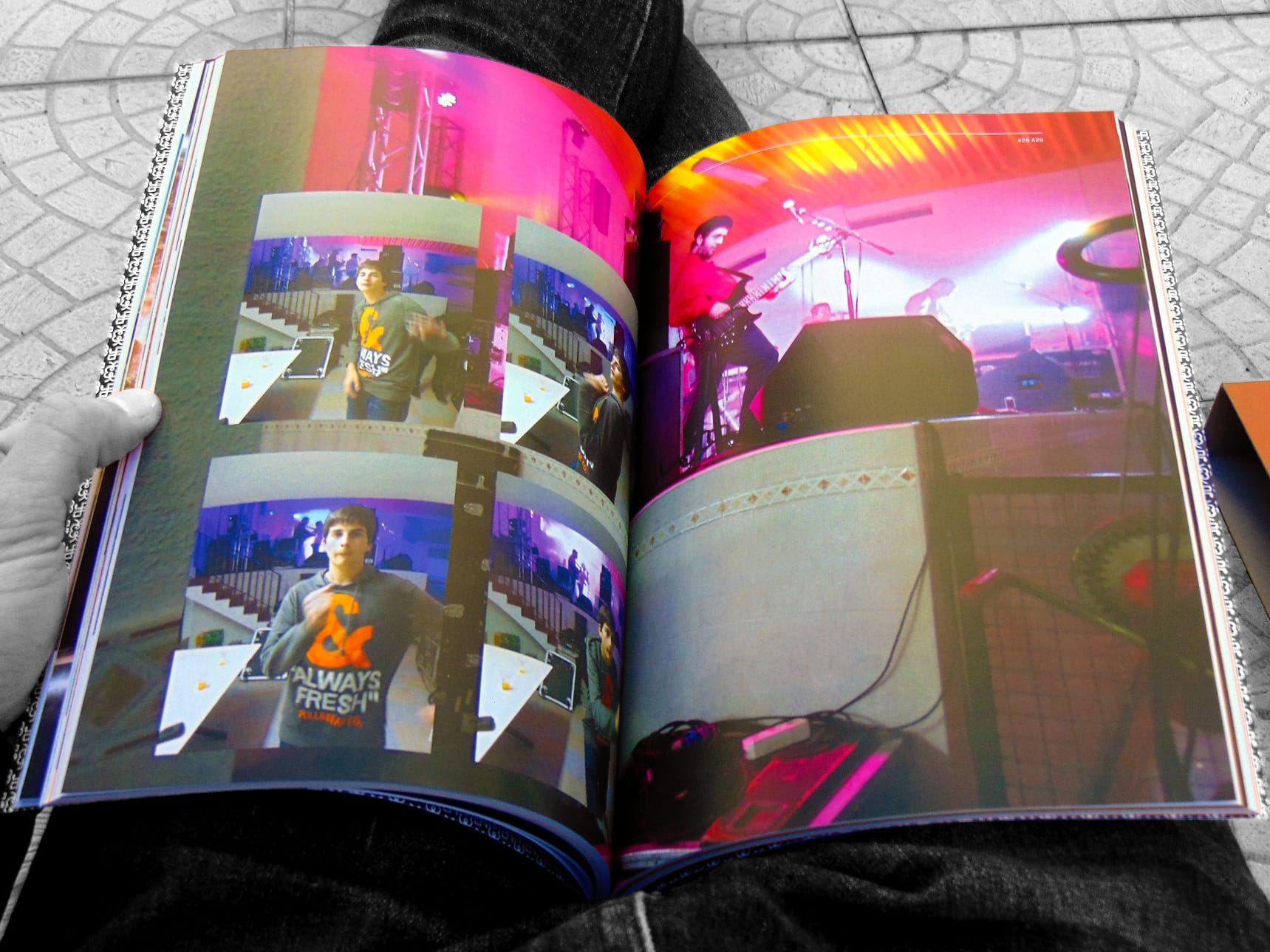
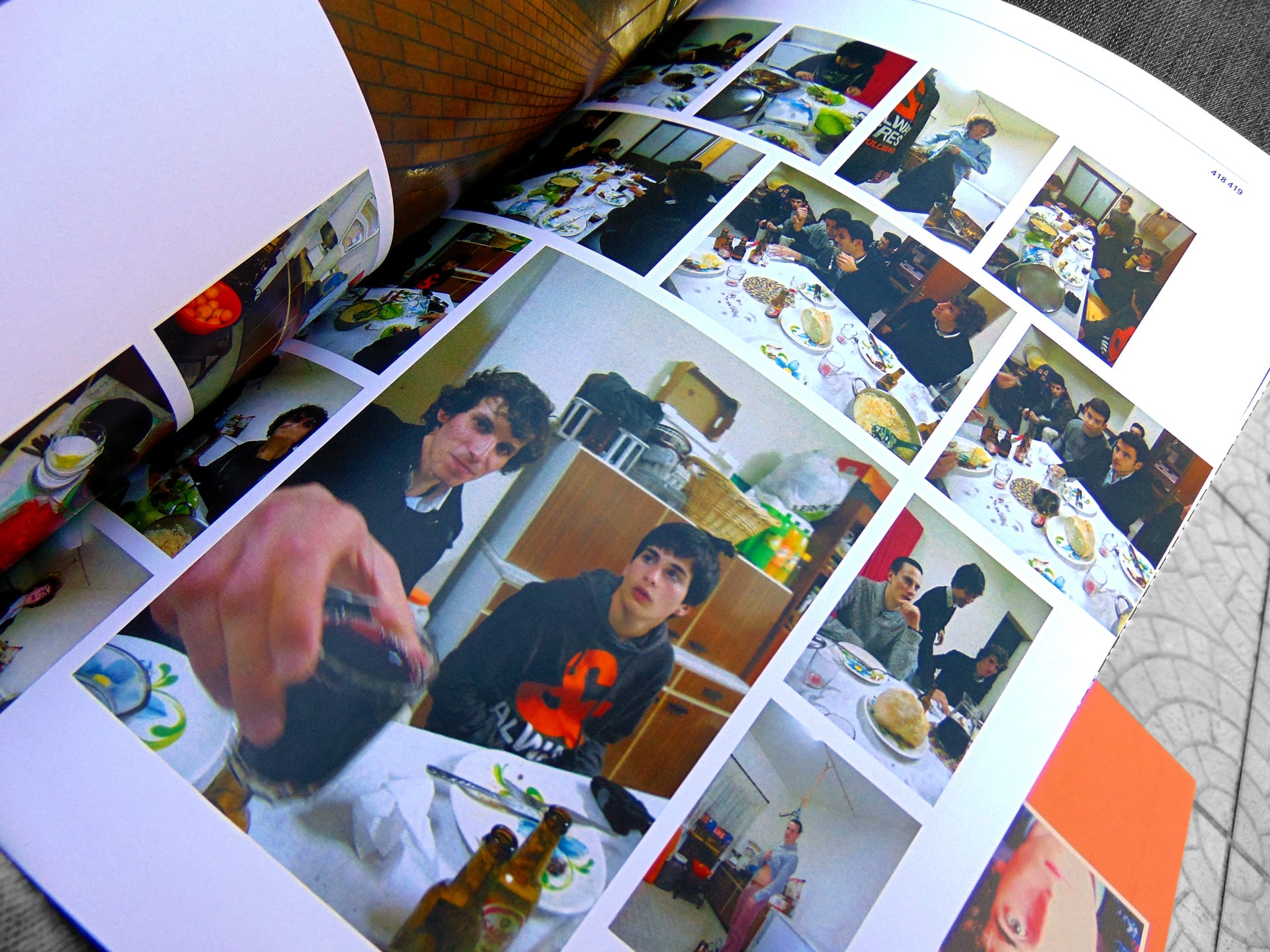
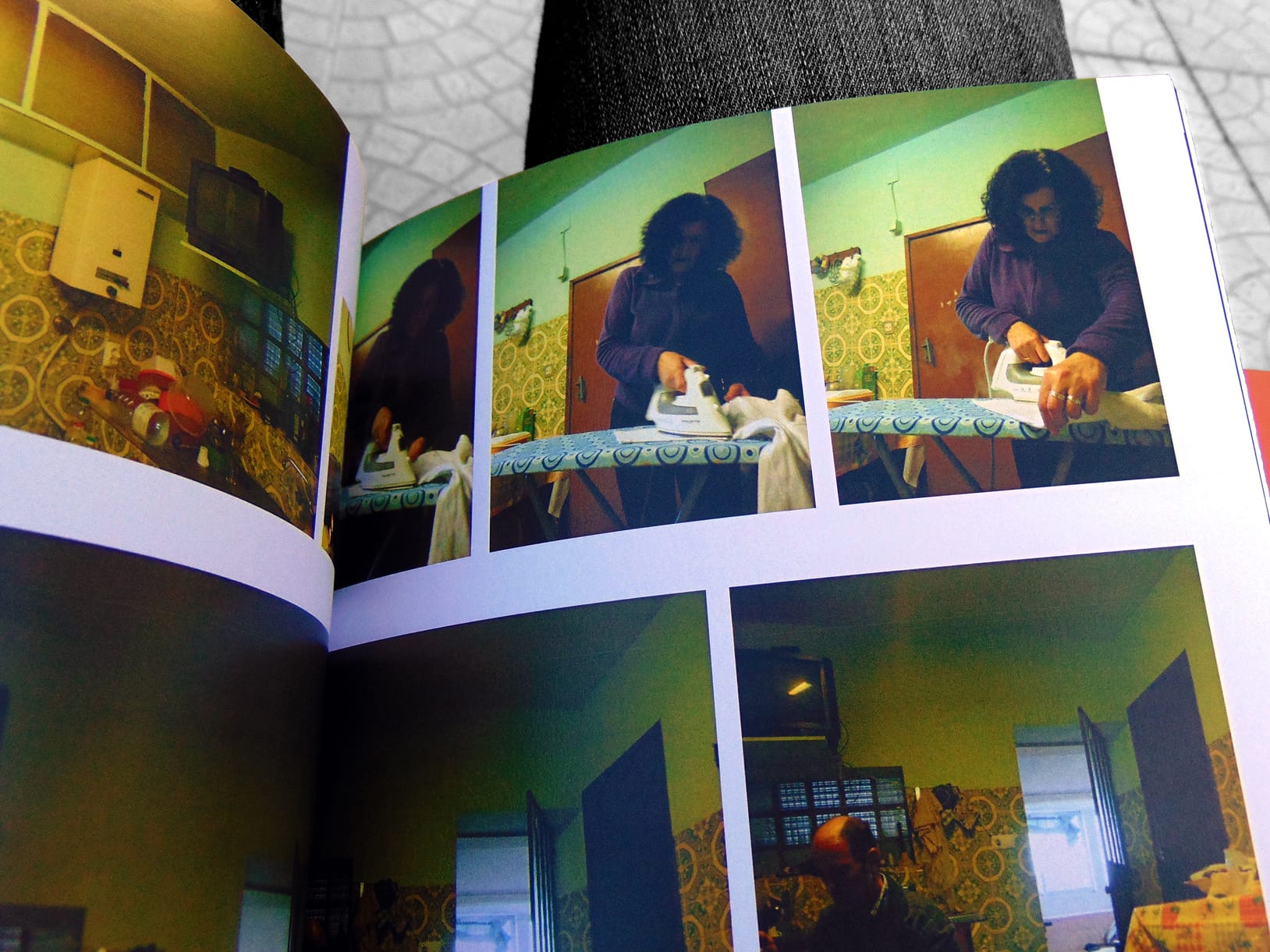
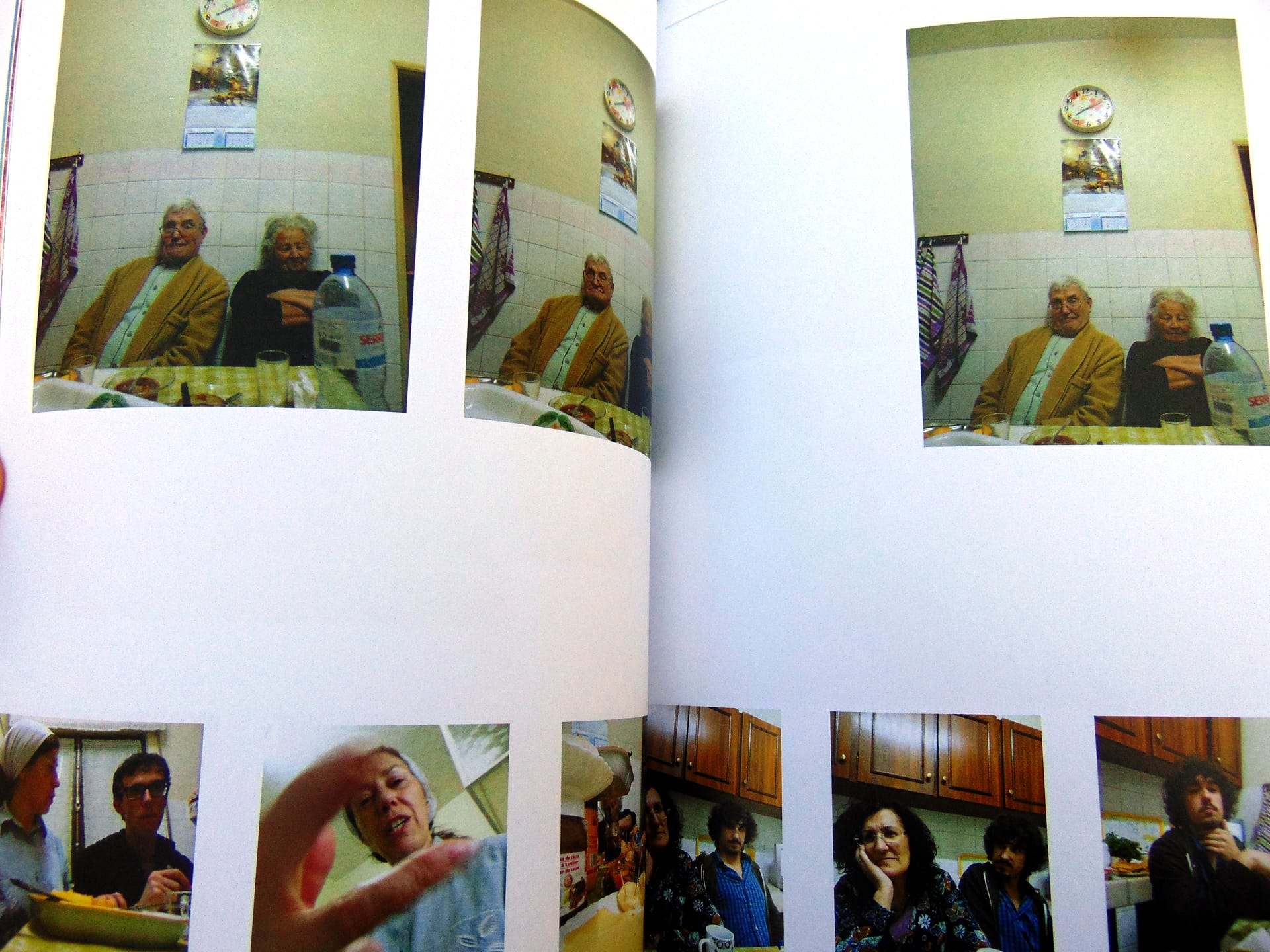
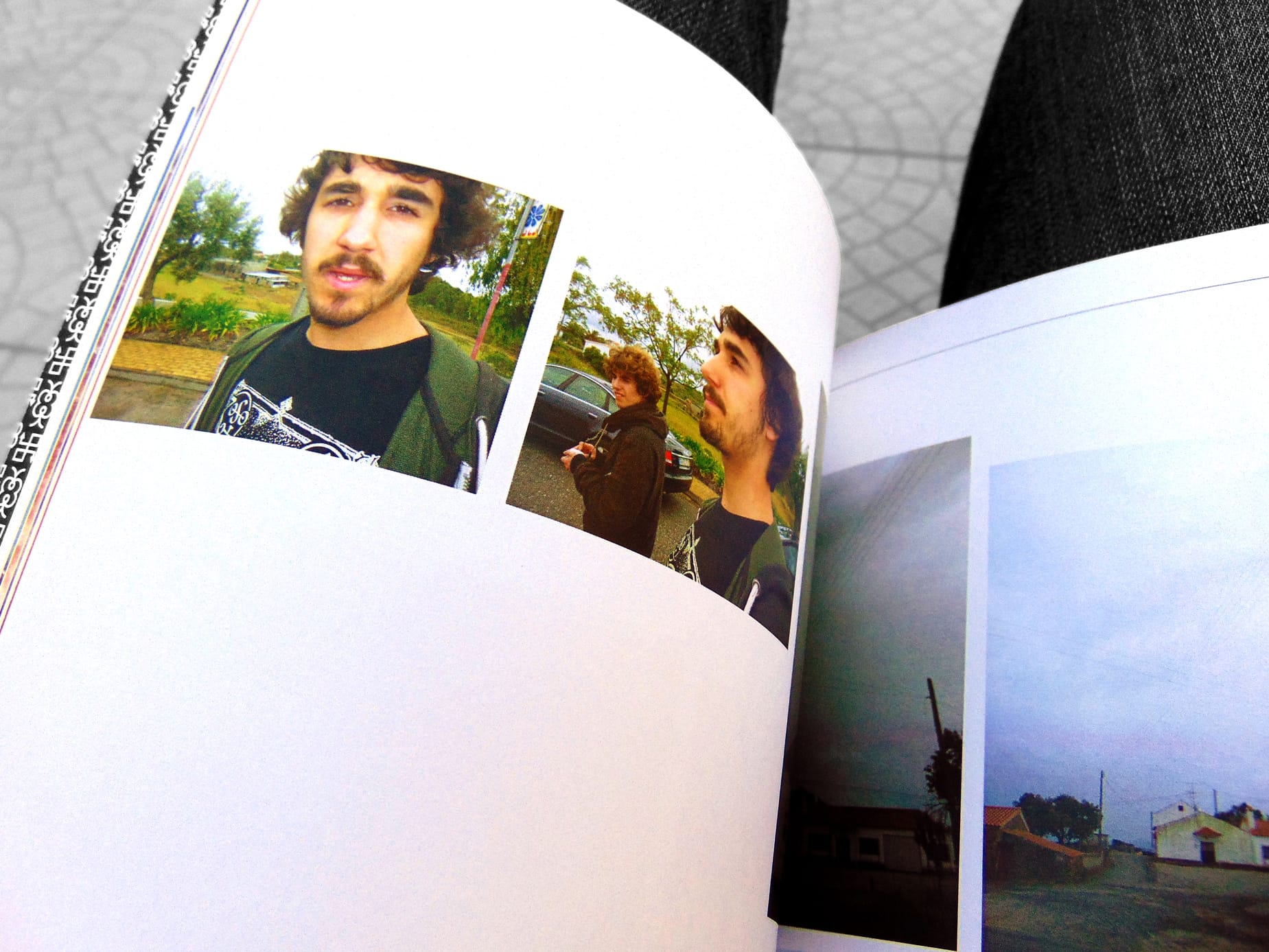
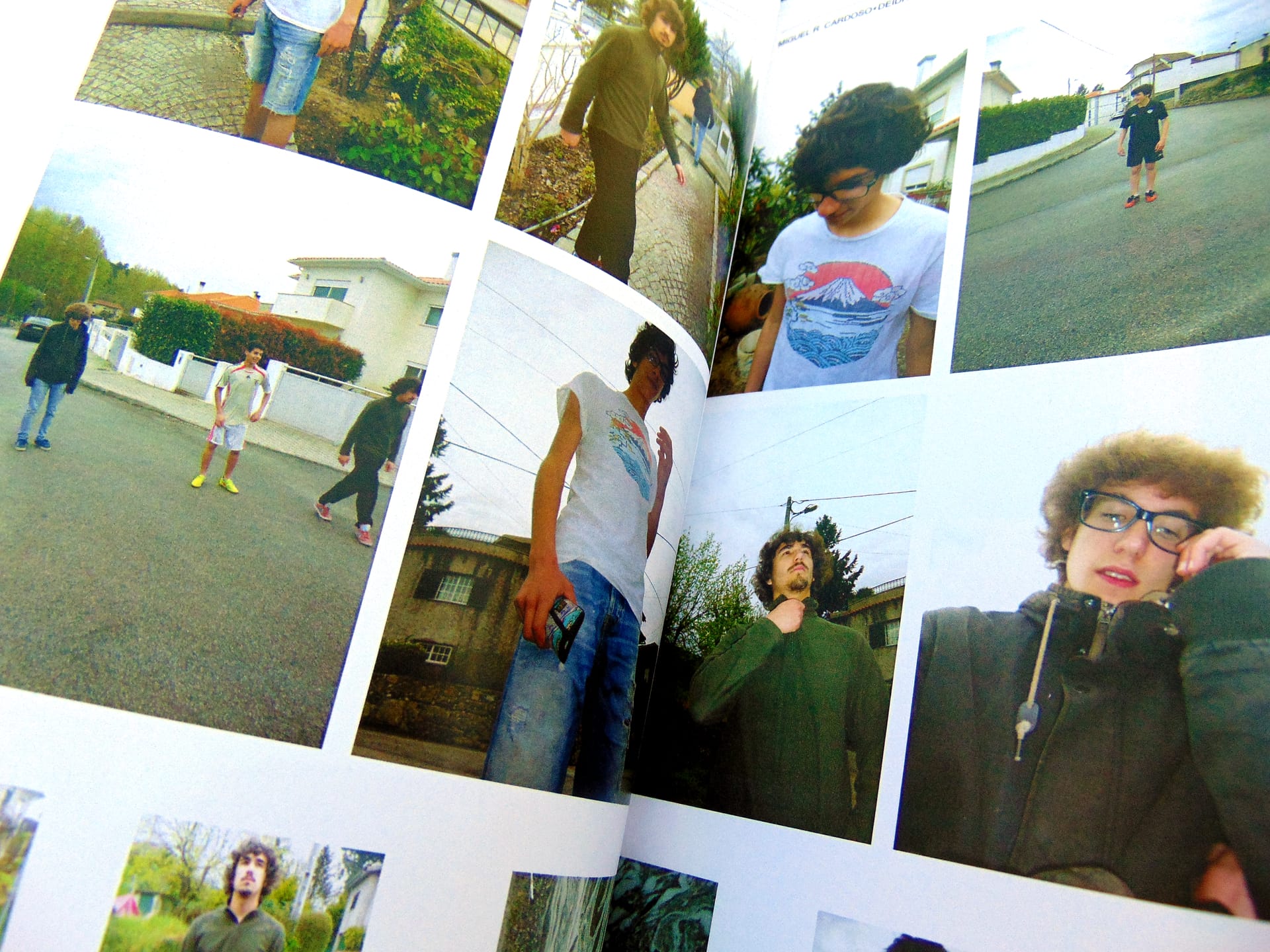
● Os Salvadores da Nação (The Saviours of the Nation) is a photography album that follows my familyʼs life, their cyclical routine, their places, their cats, over two years: the narrative begins at the festival of São Marcos, celebrated in my father's village (Pergulho, Proença‑a‑Nova, Castelo Branco), in April 2013, and concludes at the same event in 2015. The collection of photographs is particularly faithful and comprehensive because it results from an exhaustive process — or simply from a sibling ritual (myself and Pedro, who goes by the artistic name deidra corp.) — which consisted of daily roaming around with very domestic, cheap compact cameras, documenting our everyday life. This process only became informed, i.e., began feeding this project, towards the end of the period covered by the narrative. When, in the Photographic Project course led by PATRÍCIA ALMEIDA, I chose to recover and consider this set of photographs as finished, we were drawn to the idea of stringing them together into an object, without digital retouching, without omitting sequences, nor altering their order, in order to obtain a kind of reconstruction of family life during those years, and perhaps, find something universal in it.



Reading photography
Nothing extraordinary happened during those years; we didn't travel, we didn't go on outings, the places where we spent our holidays were the usual family homes, we didn't eat out, and although Os Salvadores da Nação (The Saviours of the Nation) only implies it, we even came to have a rope around our necks due to the economic crisis — which, in a family whose income depended on a public sector salary, with children at university, made itself strongly felt.
The subject matter of the depicted events, this period, was therefore appropriate to talk about ourselves, even to caricature ourselves. Our photographs were so raw that one could speak of an suffocating realism, mundane and redundant. But during the composition phase, we encountered the specific characteristics of photographic language: reading a photograph is different from reading a text, and even if a photograph apparently serves to objectively and faithfully record a situation — especially when it is not staged — in truth it merely serves to isolate an image.
Who delimited and composed the photograph, and what does that say about it? Is it possible for a photograph not to be staged? In an album, even if for a given event there are dozens of photographs, almost creating movement, to document a situation — even a very brief one — what semiotic elements will its proper interpretation be subject to? Reconstruction was no longer our goal. From what we had made, the photographs reminded us well. What story would that set of photographs tell anyone, without having to resort to additional elements? Would it even speak of us, of the crisis, of Viseu? What would be universal about it?


The title
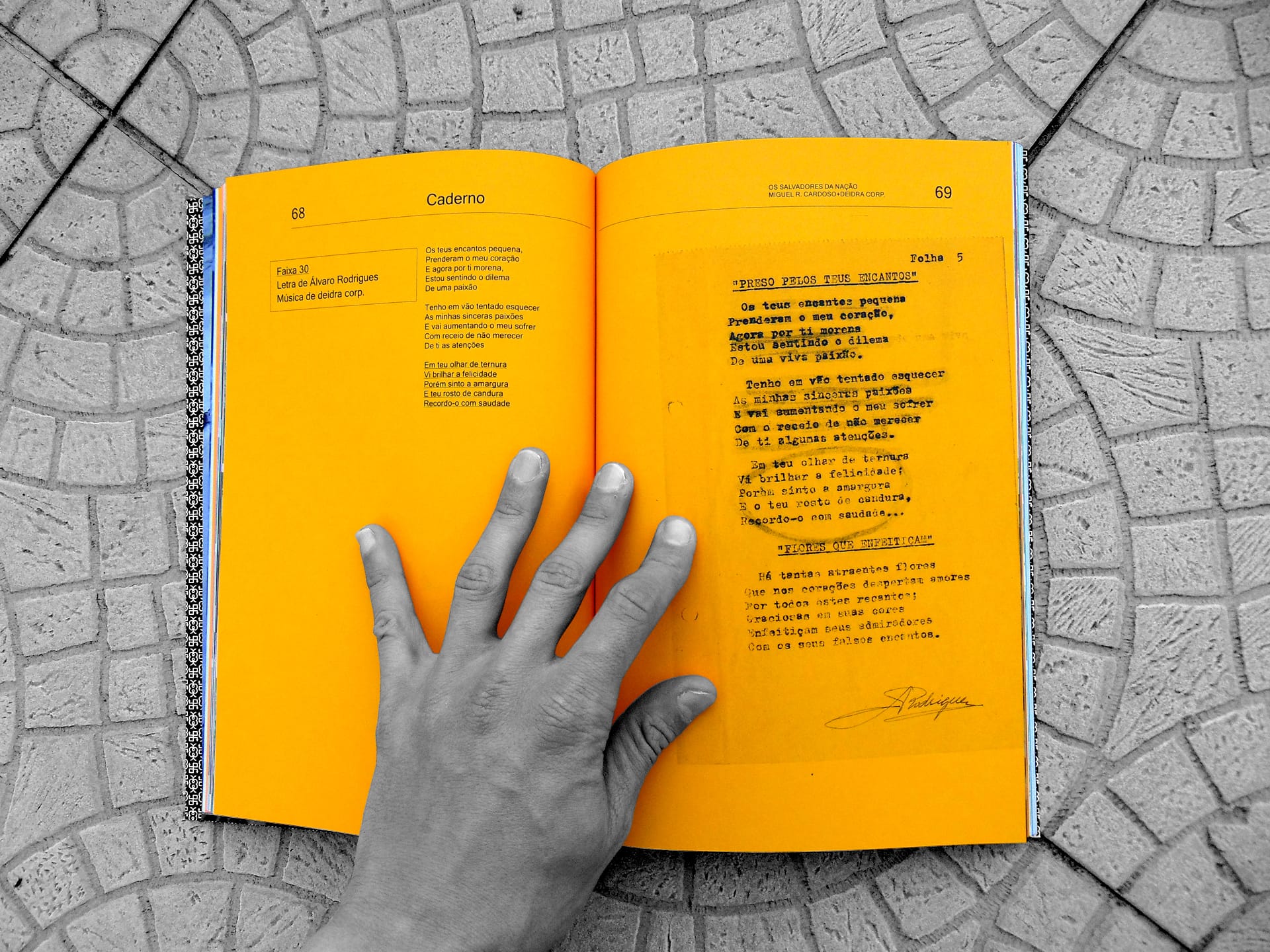
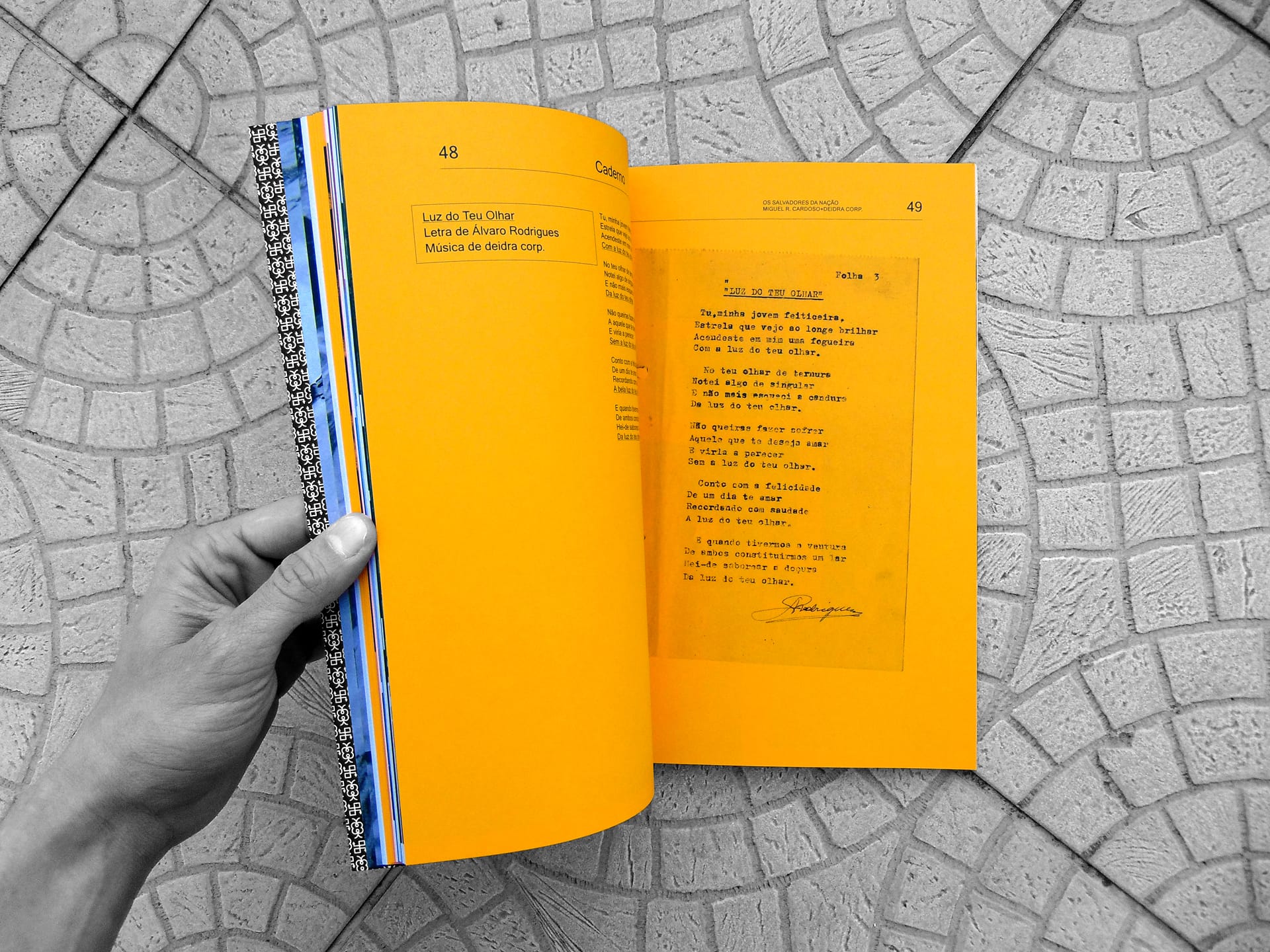
When the object began to take shape, in a tough and stubborn phased process — since we are talking about over 6,000 photographs — I decided to call it “Os Salvadores da Nação”, a title that deidra corp. would later give to his noise pop album. An absolute gem: he composed the songs using a cheap keyboard, plenty of manipulation and digital distortion, freeware virtual instruments from the internet, a tremulous teenage voice, inspiration from divine creatures like Kevin Shields, and the vast majority of the lyrics adapted from poems that our grandfather, fifty years earlier — and with genealogical contours relevant to our existence — wrote to win over our grandmother.
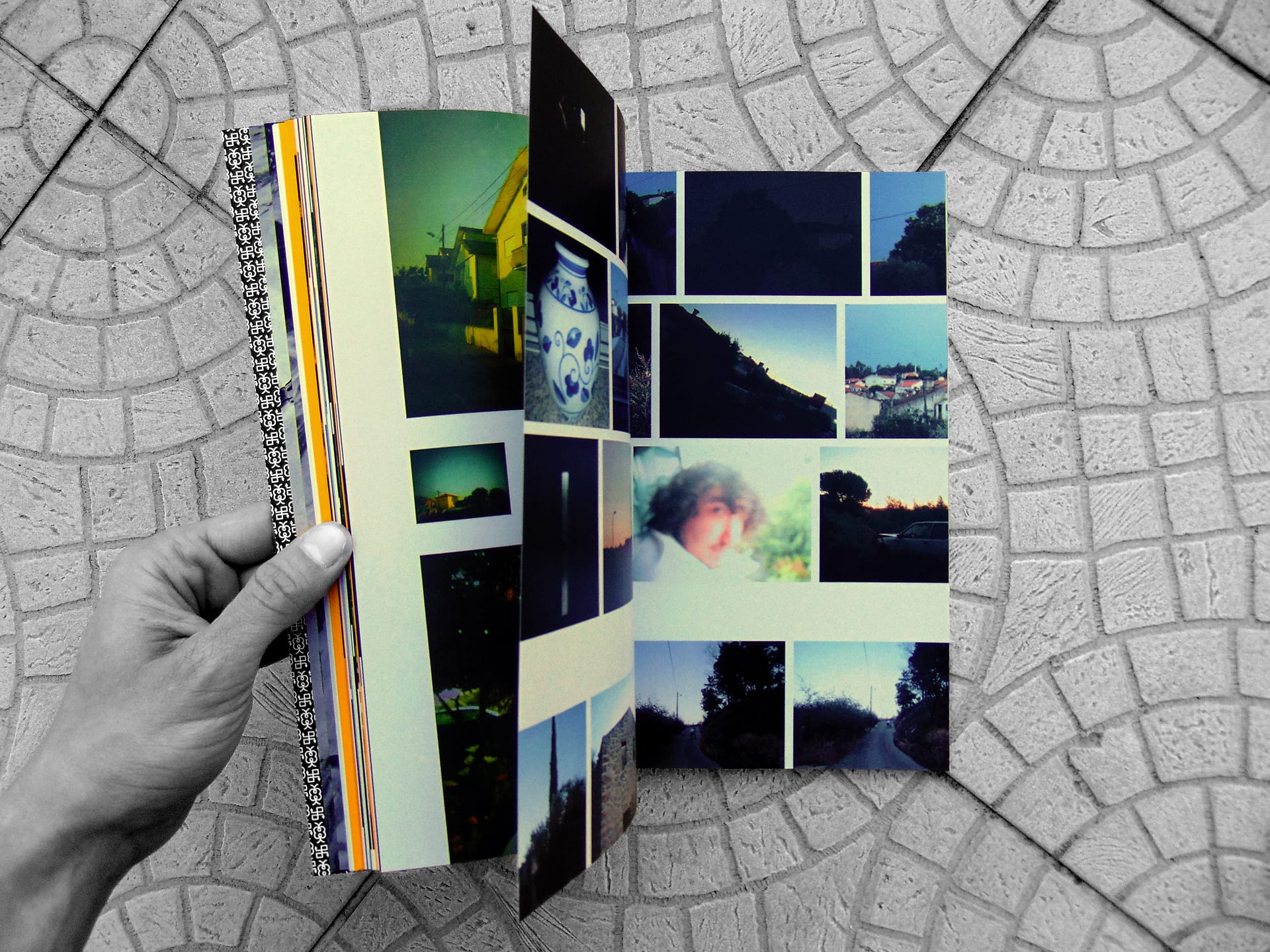
Songs to enchant someone, today, with words from two generations ago. It is homespun, I watched it being made, but it is honestly one of my favourite records. This association between the two objects would provide the necessary dose of semiology for the photographic narrative. Thus, the narrative is often interrupted by inserts on different paper, bearing these poems, without the reader knowing exactly why.


Os Salvadores da Nação
It is both a chest of family memories and a proposal to follow a segment of the lives of unknown characters who entice us to do so — even ourselves. Nostalgia, roots, mother land, sacred soil, blood: these are fantasies once their context is stripped away. An ode to the mundane, Os Salvadores da Nação speaks of universality, cosmopolitanism, in no‑places, in any‑people, in multiple possible stories — even if, and only seemingly, detailed. Which nation?
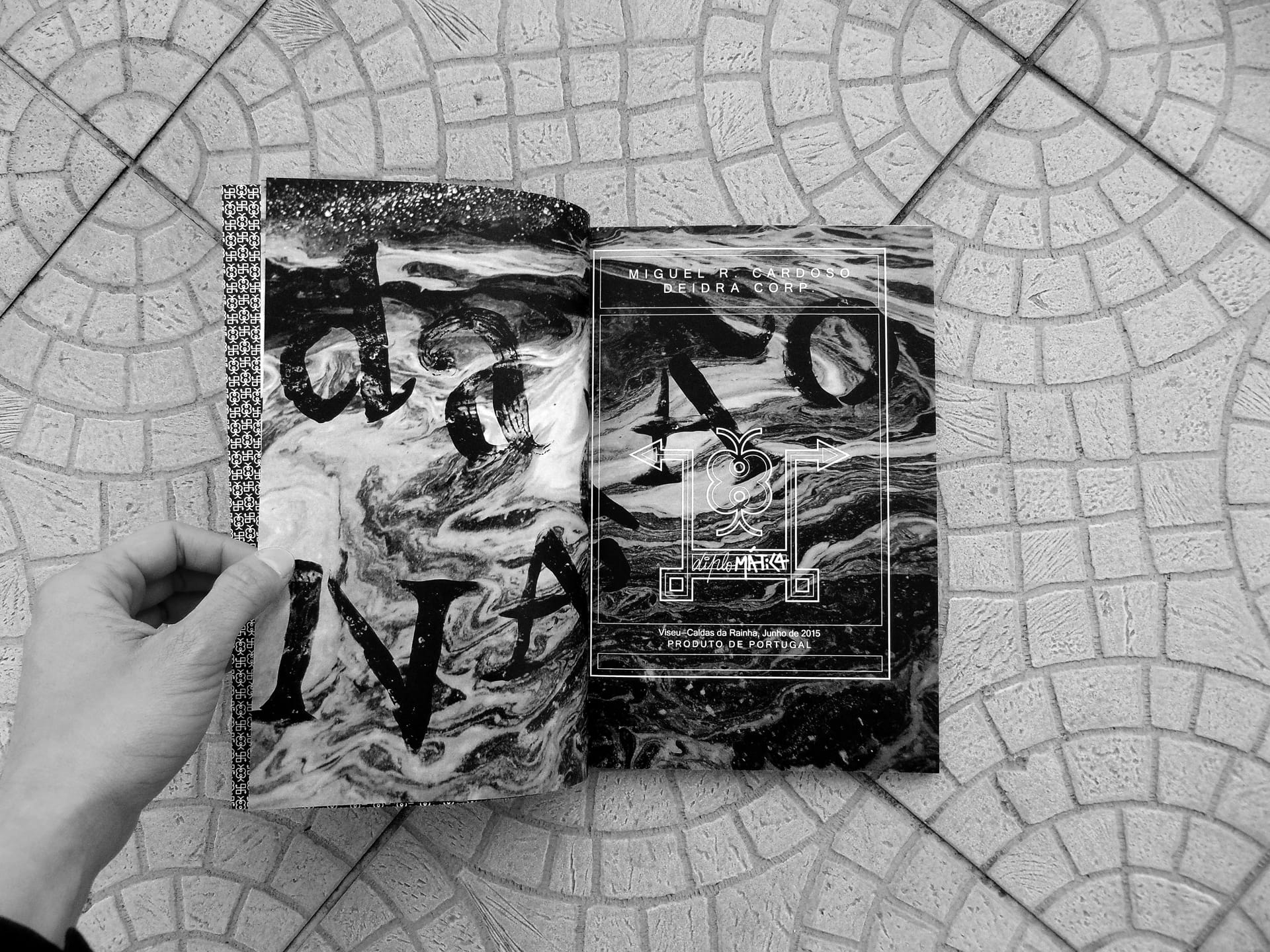


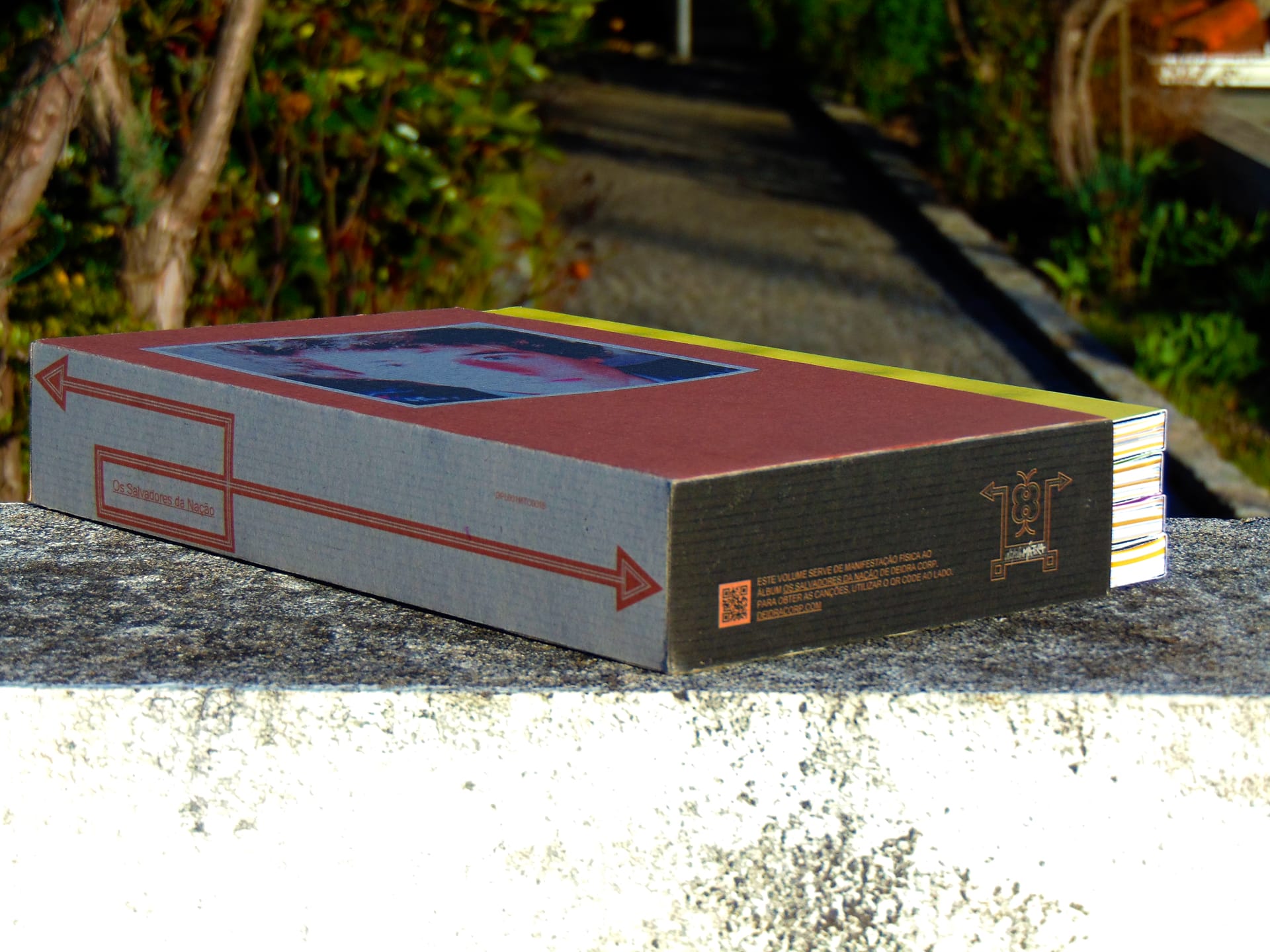
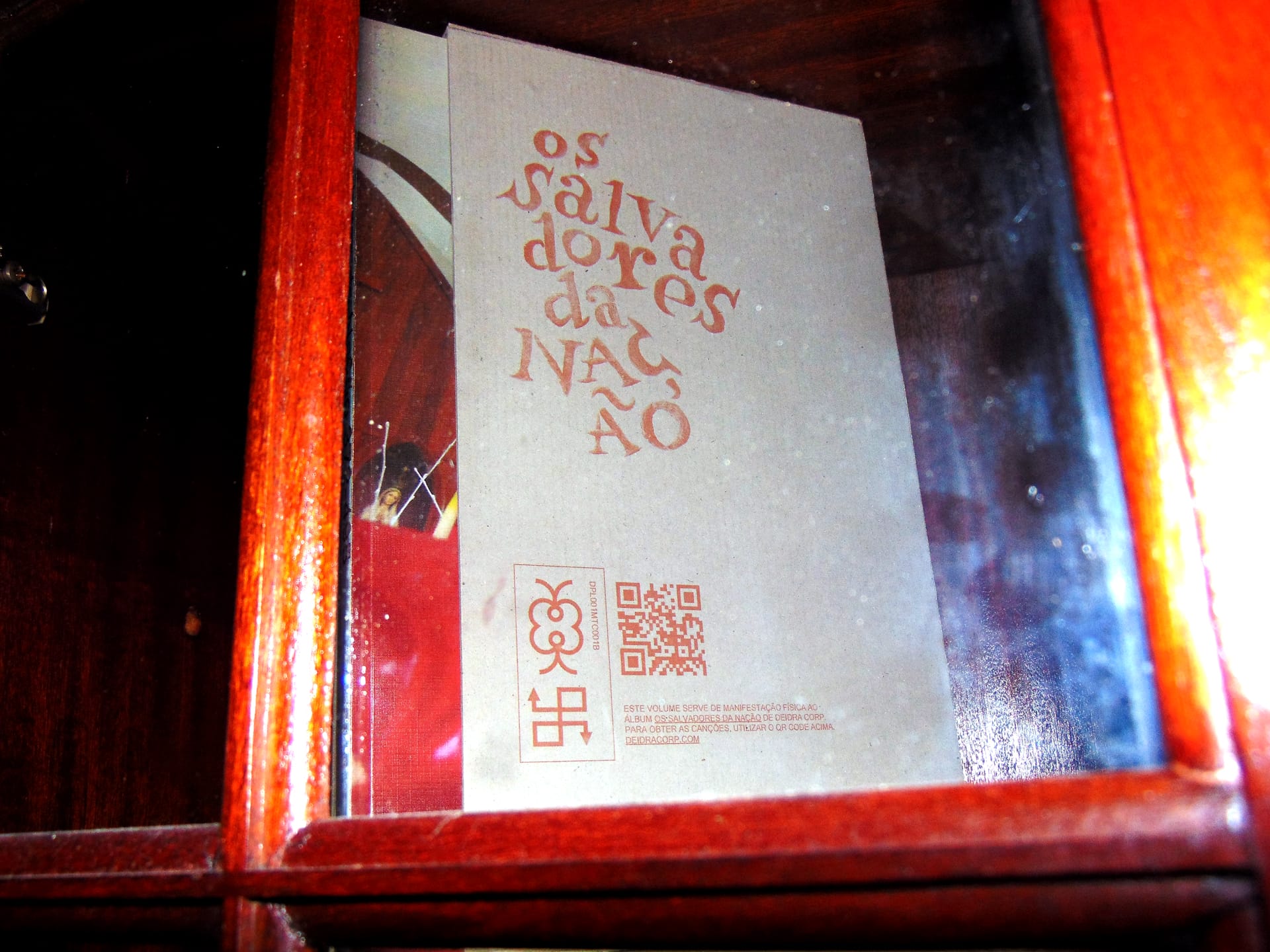
In line with the editorial concept that Marta Almeida and I devised under the label Diplomática, this work — despite having its own value and reasons — serves as a physical manifestation (that is, as a physical format) for the album of the same name by deidra corp.